Rosacea flare-ups leave your skin red, inflamed, and searching for relief that doesn’t trigger new symptoms. Drugstore aisles overflow with moisturizers, yet finding one that calms reactive skin without breaking the bank remains challenging. CeraVe moisturizing cream for rosacea has gained attention as a dermatologist-recommended option, but does it deliver real results?
This guide examines how CeraVe performs on rosacea-prone and extremely dry facial skin. You’ll discover application techniques, realistic timelines for improvement, and whether this formula works with active ingredients like retinol. We’ll cover the cream versus lotion debate, nighttime strategies, and winter skincare tips.
Can You Use CeraVe Moisturizing Cream for Rosacea?
Using CeraVe moisturizing cream for rosacea addresses inflammation and barrier damage that accompanies this condition. The formula contains three essential ceramides (1, 3, and 6-II) that rebuild protective barriers weakened by chronic inflammation. This fragrance-free cream includes niacinamide at approximately 4% concentration, which reduces redness and strengthens capillary walls without aggravating sensitive skin.
Application for Reactive Skin
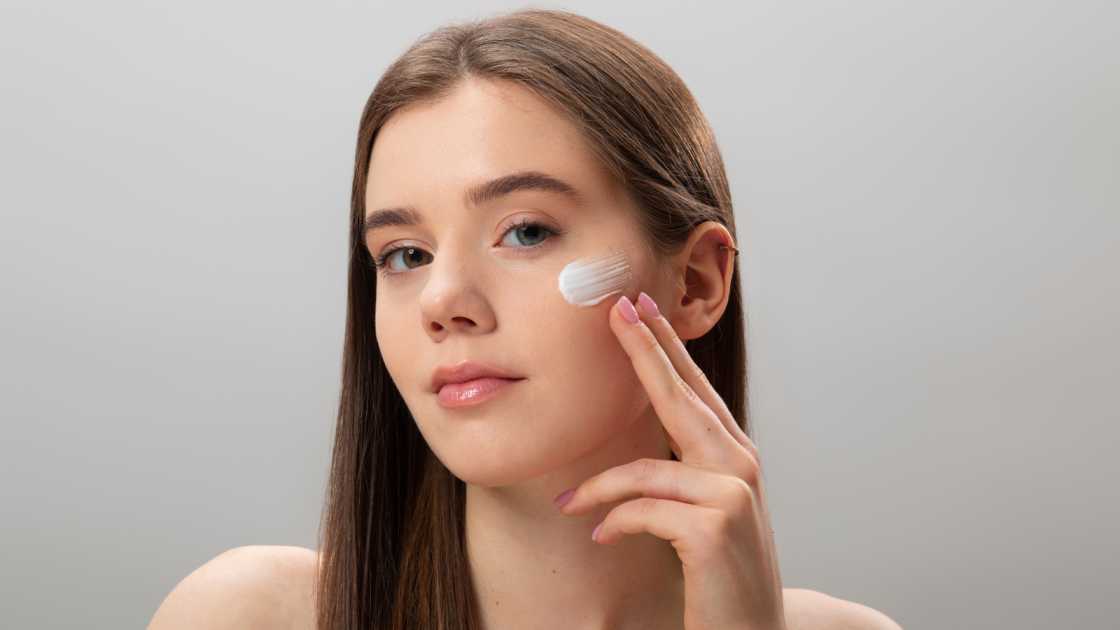
Apply CeraVe face moisturizer cream to damp skin within 60 seconds of cleansing to trap water molecules. Use gentle upward motions with a pea-sized amount for your entire face. Most people notice reduced tightness within three days, though visible redness improvement typically takes two to three weeks of consistent use.
When Barrier Damage Is Severe
If you experience stinging upon application, your barrier is severely compromised. Try applying to completely dry skin instead, or mix the cream with a few drops of squalane oil to buffer the formula.
Is CeraVe Moisturizing Lotion Good for the Face?
Is CeraVe moisturizing lotion good for face hydration depending on your skin type and climate. The lotion version contains identical barrier-repairing ingredients but in a lighter base with higher water content. This makes it absorb fasterbeneficial for normal to oily skin, humid climates, or anyone who dislikes heavy textures.
Cream vs. Lotion Format
The CeraVe cream moisturizing formula works better for dry skin because its petrolatum content creates an occlusive seal that prevents water loss overnight. If you live in dry climates or use prescription retinoids, the cream provides superior protection. The lotion suits combination skin needing hydration without excess oil, particularly during warmer months.
Facial Performance
Both versions are non-comedogenic and tested on facial skin. The CeraVe face moisturizer cream absorbs fully within 10 minutes when applied correctly. Facial application requires one-third the amount you’d use on your body due to thinner, more receptive facial skin.
People also read: CeraVe Moisturizing Cream vs Lotion Review: The Best Choice
Heal Extremely Dry Skin: CeraVe’s Efficacy
CeraVe moisturizing cream for rosacea and extremely dry skin targets depleted ceramide levels that compromise your skin’s ability to retain water. Clinical studies show topical ceramide application can increase skin hydration by up to 35% within two weeks when combined with humectants like hyaluronic acid.
Layering for Maximum Results
For extremely dry conditions like eczema or severe seasonal dehydration, try moisture sandwiching: apply a hydrating serum to damp skin, follow with CeraVe moisturizing cream for very dry skin, then seal with a thin layer of petroleum jelly on the driest areas. This three-step method can restore comfort to cracked skin within 48 hours.
Timeline for Improvement
Real improvement requires consistency. Apply the cream twice daily for at least three weeks before evaluating results. Most people see initial relief (reduced tightness, less flaking) within five to seven days, but rebuilding a compromised barrier to full strength takes 28 days minimum.
Face vs. Body: Where Should You Apply It?
The distinction between face and body application of CeraVe face moisturizer cream comes down to formulation density and skin thickness. Your facial skin averages 0.12 millimeters thick compared to 0.6 millimeters on your body, requiring lighter coverage to avoid clogged pores.
Facial Guidelines
Use approximately a dime-sized amount for your entire face and neck. Facial skin has more sebaceous glands than body skin, so even non-comedogenic formulas can feel heavy if over-applied. The CeraVe cream moisturizing formula works best when your skin is slightly damp from cleansing.
Body Application
Body skin tolerates heavier moisturization because it faces constant friction from clothing. Apply the cream generously within three minutes of bathing. Areas prone to extreme dryness (elbows, knees, heels) benefit from a second layer once the first absorbs.
Nighttime Routine: Maximizing Moisture
Your nighttime routine presents the optimal window for CeraVe moisturizing cream for extremely dry skin to work uninterrupted. During sleep, your skin’s permeability increases, meaning ingredients penetrate deeper than during daytime hours.
Evening Application Sequence
Start with a gentle cleanser. Pat skin until 70% dry, then apply treatment serums. Wait three minutes, then layer CeraVe face moisturizer cream as your final step. This sequence prevents the moisturizer from blocking active ingredient penetration while providing an occlusive seal.
Overnight Protection
The petrolatum content creates a semi-occlusive barrier that slows transepidermal water loss by approximately 50% compared to unprotected skin. This overnight protection proves valuable in air-conditioned or heated rooms that drop humidity below 30%.
Winter Skincare: Preventing Cracked Skin
Winter conditions challenge your barrier through low outdoor humidity, indoor heating, and hot showers. CeraVe moisturizing cream for very dry skin becomes essential during these months because standard lotions can’t compete with aggressive winter dehydration.
Cold Weather Defense
Apply the cream twice daily after morning cleansing and evening bathing. Focus extra attention on areas directly exposed to cold air: your face, neck, and hands. Central heating can reduce indoor humidity to 10-20%, so use a humidifier in your bedroom to maintain 40-50% humidity.
Preventing Cracks
Severely dry winter skin can progress to painful cracks on knuckles, heels, and around the nose. At the first sign of roughness, increase application frequency to three times daily. Consider overnight occlusion by covering treated areas with cotton gloves or socks.
Using CeraVe with Active Ingredients (Retinol/Acids)
Combining CeraVe face moisturizer cream with actives like retinol or AHAs requires strategic timing. The ceramide-rich formula supports active ingredient use by maintaining barrier integrity.
Buffering for Beginners
If you’re new to retinol, apply CeraVe moisturizing cream for rosacea first, wait five minutes, then apply your active on top. This buffering method slows penetration just enough to reduce irritation without compromising effectiveness.
Sandwich Method
Experienced users can apply activities to bare skin, wait 20 minutes, then seal with CeraVe cream. This maximizes active ingredient contact while providing barrier support that prevents overnight moisture loss.
People also read: Cerave Daily Moisturizing Lotion Ingredients & Safety Review
How Long Does It Take to See Results?
Results from CeraVe moisturizing cream for extremely dry skin follow a predictable timeline. Within 24-72 hours, most users notice reduced tightness. This initial phase reflects hyaluronic acid drawing water into your skin.
Weeks Two to Four
The most significant changes occur between days 14 and 28 as your skin incorporates ceramides into its lipid matrix. You’ll notice skin stays comfortable longer between applications. Clinical measurements show barrier function improves by approximately 30% during this phase when CeraVe face moisturizer cream is used twice daily.
Stabilization
After one month of consistent use, your skin reaches a new baseline. Many people can reduce application frequency slightly while maintaining results. For CeraVe moisturizing cream for rosacea results, expect redness reduction to lag behind hydration improvements by one to two weeks.
People also read: Cerave Daily Moisturizing Lotion Ingredients & Safety Review
Conclusion
CeraVe moisturizing cream for rosacea and extremely dry skin delivers measurable barrier repair through its ceramide-rich, fragrance-free formula. Success lies in consistent application, proper layering techniques, and giving your skin the full 28-day renewal cycle to rebuild its protective barrier. Whether managing rosacea inflammation, seasonal dryness, or retinol-induced sensitivity, this formula provides foundational support your skin needs.
Start tonight by applying the cream to clean, damp skin and committing to twice-daily use for at least one month. Track your progress weekly by noting changes in tightness, redness, and texture. Your barrier didn’t break overnight, and it won’t fully repair in days but consistent moisture support creates the environment your skin requires to restore itself naturally.
FAQs
Can CeraVe Moisturizing Cream make rosacea worse?
CeraVe Moisturizing Cream typically doesn’t worsen rosacea because it’s fragrance-free and formulated without common irritants. If you experience increased redness, you may be applying too much product or your barrier is severely compromised. Try applying to completely dry skin.
Should I use CeraVe cream or lotion on my face?
Use the lotion if you have normal to oily skin or live in humid climates; the cream works better for dry to very dry skin or cold weather conditions. Both are safe for facial use.
How much CeraVe Moisturizing Cream should I use on my face?
A dime-sized amount covers your entire face and neck adequately. Using more doesn’t increase benefits and may clog pores, while using less won’t provide sufficient barrier protection.
Can I use CeraVe Moisturizing Cream under makeup?
Yes, the cream absorbs within 10 minutes when applied to damp skin in the correct amount. Apply to slightly damp skin, wait 10 minutes for full absorption, then proceed with makeup.
Does CeraVe Moisturizing Cream help with eczema flare-ups?
CeraVe Moisturizing Cream can reduce eczema symptoms by repairing the compromised skin barrier. The three-ceramide formula addresses ceramide deficiency common in eczema-prone skin, though severe flare-ups may require prescription treatment.