You’re scrolling through supplement aisles wondering if Orgain Creatine actually delivers on its muscle-building promises or if it’s just another overhyped powder. This Orgain creatine review cuts through the marketing noise to show you what’s inside the container, how it compares to competing formulas, and whether it genuinely supports your strength goals.
This analysis walks you through Orgain’s formula composition, proper daily dosage, purity verification, and cost-per-serving value. You’ll learn which muscle benefits you can expect within weeks. By the end, you’ll know if Orgain creatine is good enough to earn a permanent spot in your gym bag or not.
Whether you’re new to creatine supplementation or switching brands, this guide gives you the concrete details you need to make an informed purchase decision.
Orgain creatine review: What makes it stand out
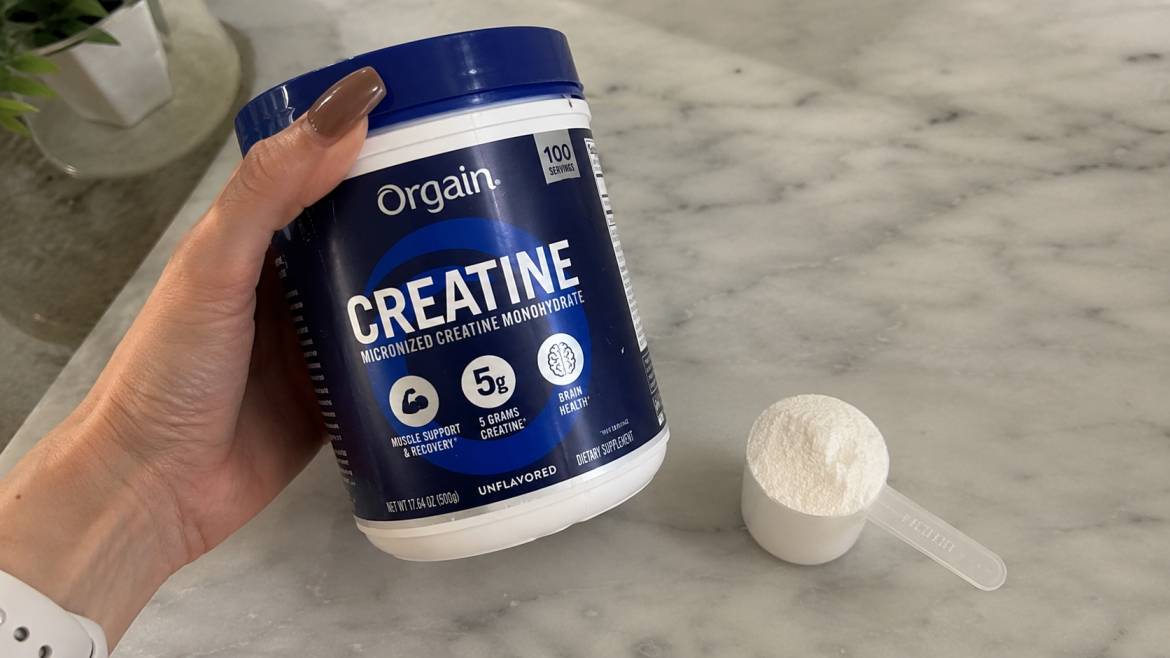
Orgain positions its creatine monohydrate as a clean-label option for athletes who want performance without artificial additives. The formula contains 5 grams of pure creatine monohydrate per serving with zero fillers, sweeteners, or synthetic colors.
Unlike competing products that add 10+ ingredients to justify premium pricing, Orgain creatine sticks to micronized creatine monohydrate sourced from Creapure, a German manufacturer known for high purity standards. This single-ingredient strategy means you’re paying for creatine, not cheap amino acid fillers. The unflavored powder mixes into any beverage without altering taste, solving a common complaint about chalky or artificially sweetened creatine drinks.
Orgain manufactures this supplement in facilities that follow current Good Manufacturing Practices (cGMP), which requires documented quality controls at every production stage. This transparency matters because the supplement industry faces minimal FDA oversight, making third-party verification one of your only protections against contaminated products.
People also read: Honest Review Of Orgain Protein Powder From The Web
Is Orgain creatine good for muscle strength and recovery?
Research consistently shows creatine monohydrate increases phosphocreatine stores in muscles, which directly fuels ATP production during high-intensity exercise. When you supplement with 5 grams daily, you can expect measurable strength gains within 2-4 weeks.
Most users report lifting 5-10% heavier weights on compound movements like squats and bench press after one month of supplementation. This happens because elevated phosphocreatine levels let you complete an extra 1-2 reps per set before hitting failure. A study published by the National Library of Medicine found that creatine supplementation increased maximal strength by an average of 8% across multiple muscle groups.
Is Orgain creatine good for recovery? Creatine doesn’t reduce muscle soreness or inflammation. Instead, it accelerates cellular energy replenishment between sets and training sessions, allowing you to train at higher volumes without excessive fatigue. You won’t see muscle growth from creatine alone; it requires progressive resistance training and caloric surplus to build tissue. What creatine does is enhance your training capacity so you can stimulate more growth. Water retention in muscle cells adds 2-4 pounds during the first week.
Orgain creatine ingredients and daily dosage guide
Each serving delivers exactly 5 grams of Creapure creatine monohydrate with no additional ingredients. Creapure undergoes a patented manufacturing process that reduces impurities like creatinine and dicyandiamide to less than 50 parts per million.
The Orgain creatine label recommends mixing one scoop (5g) with 8-10 ounces of liquid once daily. You don’t need a loading phase despite what older protocols suggest. Current research from the National Library of Medicine confirms that taking 3-5 grams daily saturates muscle stores within 3-4 weeks, producing identical results to high-dose loading phases without digestive discomfort.
Timing doesn’t significantly impact results. You can take creatine before workouts, after training, or with breakfast your muscles maintain elevated creatine levels 24/7 once saturated. Orgain lists every component with no proprietary blends:
- Creatine monohydrate (Creapure): 5,000mg per serving
- Other ingredients: None
The unflavored formula means no artificial sweeteners like sucralose, which some athletes avoid due to digestive sensitivity.
Does Orgain Creatine Mix Well? Solubility Complaints Explained
Orgain markets this as micronized creatine, meaning the particles are ground smaller than standard creatine powder to improve how it dissolves. In practice, it does mix better than non-micronized options but “better” does not mean “perfectly.”
A consistent pattern in real user reviews is that the powder can settle at the bottom of the glass if you let it sit too long, and some people notice a gritty texture when mixed in plain cold water. This is not unique to Orgain. Creatine monohydrate in general does not fully dissolve the way, say, sugar does. It suspends in liquid and then settles. The micronization slows that process, it does not eliminate it.
If you are running into this, two fixes work reliably. First, use a shaker bottle instead of stirring with a spoon. The mechanical mixing keeps particles suspended better. Second, drink it within a few minutes of mixing rather than letting it sit. Both of these are habit adjustments, not product dealbreakers.
Mixing it into a protein shake, smoothie, or juice rather than plain water also largely eliminates the texture issue since the thicker liquid masks any grittiness entirely but if you’re wondering whether that combo actually works well together, check out Can You Mix Creatine With Protein Powder? for a full breakdown.
If you have tried all of this and the texture still bothers you, that is a real signal, some people are genuinely more sensitive to it. In that case, a creatine with a finer grind or a different format may suit you better.
Is Orgain creatine third party tested for purity?
Third-party testing verifies that supplements contain what the label claims without harmful contaminants. Is Orgain Creatine NSF certified? No, Orgain Creatine does not have NSF Certified for Sport approval. However, an August 2025 report notes that it has earned Informed Choice certification. Even without the NSF “for Sport” label, it is acknowledged for its purity and quality standards and is made without GMOs, suitable for vegans, and free from gluten.
NSF International tests every production batch and conducts unannounced facility inspections to ensure ongoing compliance. Products that pass NSF testing display the certification logo on their label. For competitive athletes subject to drug testing, NSF certification reduces the risk of inadvertent doping violations. The Science Direct posted choosing NSF-certified products because a 2023 study found that 12% contained at least 1 ingredient banned by the FDA
Beyond NSF certification, Orgain uses Creapure as its creatine source. Creapure maintains quality control standards including:
- Purity levels: Minimum 99.99% creatine monohydrate
- Heavy metal screening: Lead, mercury, cadmium, arsenic
- Microbial contamination: Bacteria, mold, yeast
This dual certification approach provides more quality assurance than products relying on a single verification method. For more on identifying quality supplements, read this resource from US Pharmacopeia (USP).
Why Orgain creatine delivers real performance value
At approximately $28-35 for 60 servings (depending on retailer), Orgain creatine review pricing falls into the mid-range category. You’re paying roughly $0.47-0.58 per serving, which aligns with other NSF-certified creatine products.
Generic creatine monohydrate from bulk suppliers costs $0.15-0.25 per 5-gram serving but lacks third-party testing. Premium alternatives with added ingredients run $0.80-1.50 per serving but don’t necessarily improve creatine’s core benefits. Orgain positions itself in the value sweet spot: certified purity without paying for unnecessary additives.
You can find it at major retailers including:
- Target: $29.99 (regular price)
- Amazon: $28.50-34.99 (varies by seller)
- Walmart: $31.48 online
- Vitamin Shoppe: $32.99 in-store
One container provides two months of daily use. Over a year, you’ll spend approximately $168-210 on creatine supplementation with Orgain. The return on this investment shows up in your training logs. If creatine helps you add 10 pounds to your squat every month instead of 5 pounds, you’re accelerating strength gains by 100%.
People also read: Orgain Protein Powder and Your Health: An Honest, Easy-to-Understand Guide
Who Should Skip Orgain Creatine
Orgain Creatine works well for a specific type of buyer. But there are clear situations where it is not the right fit, and a review that skips this is not actually helping you make a good decision.
You are a drug-tested competitive athlete: Orgain is certified through Informed Choice, which tests for banned substances. That is meaningful, but Informed Choice does not test every production batch before it ships. Programs like NSF Certified for Sport and Informed Sport operate on a stricter every-batch testing model. If your sporting career or eligibility depends on supplement certification, the higher standard is worth the extra cost.
You specifically want confirmed Creapure sourcing: Creapure is a German-manufactured creatine monohydrate with a well-established purity record, and many lifters prefer brands that explicitly confirm it as their source. Orgain does not publicly confirm Creapure sourcing. If that matters to your purchase decision, there are brands that put it on the label explicitly.
You have a sensitive stomach: The GI complaints around Orgain, bloating, mild nausea, reflux are not universal, but they are common enough to flag. If you already know your stomach reacts to supplements, this may not be your most predictable option. Starting with a lower dose and taking it with food helps, but if you have had issues with other creatine products before, factor that in.
Conclusion
This Orgain creatine review confirms that the product delivers legitimate performance benefits through pure, third-party tested creatine monohydrate at a competitive price point. The NSF certification and Creapure sourcing address quality concerns that plague cheaper alternatives.
Is Orgain creatine good for your specific training goals? If you’re looking for measurable strength gains without artificial additives or questionable ingredients, this supplement meets those requirements. The mid-range pricing balances affordability with quality assurance.
Add Orgain creatine to your supplement routine and track your progress over the next month. Monitor your workout logs for increased reps, heavier lifts, and improved training volume. If you don’t see strength improvements within 4-6 weeks, reassess your overall program creatine enhances effort, but it can’t replace proper programming and nutrition.
FAQs
Does Orgain creatine monohydrate cause stomach bloating or digestive issues?
Most users tolerate Orgain creatine without digestive problems because it contains pure creatine monohydrate with no added sugars or artificial sweeteners. If you experience discomfort, divide your 5-gram dose into two smaller servings. Staying well-hydrated minimizes potential stomach upset.
How long does it take to see strength and muscle results from Orgain creatine?
You’ll notice increased workout capacity within 2-3 weeks once muscle stores reach saturation. Strength improvements become measurable at 3-4 weeks when you can lift heavier weights. The initial water weight gain appears within the first week.
Is Orgain creatine safe and effective for women and female athletes?
Women benefit from creatine exactly as men do; it enhances ATP production regardless of gender. The concern about bulky muscles is a myth. Female athletes can safely use the standard 5-gram daily dose.
Is creatine supplementation safe for teenage athletes under 18?
The American College of Sports Medicine considers creatine safe for young athletes at recommended doses under adult supervision. Teenagers should prioritize proper training technique and whole-food nutrition before adding supplements.
Do I need to cycle off creatine or can I take it continuously year-round?
No cycling is necessary. Your body maintains safe creatine levels with continuous supplementation. Taking 5 grams daily year-round is both safe and more effective because it maintains consistent muscle saturation.