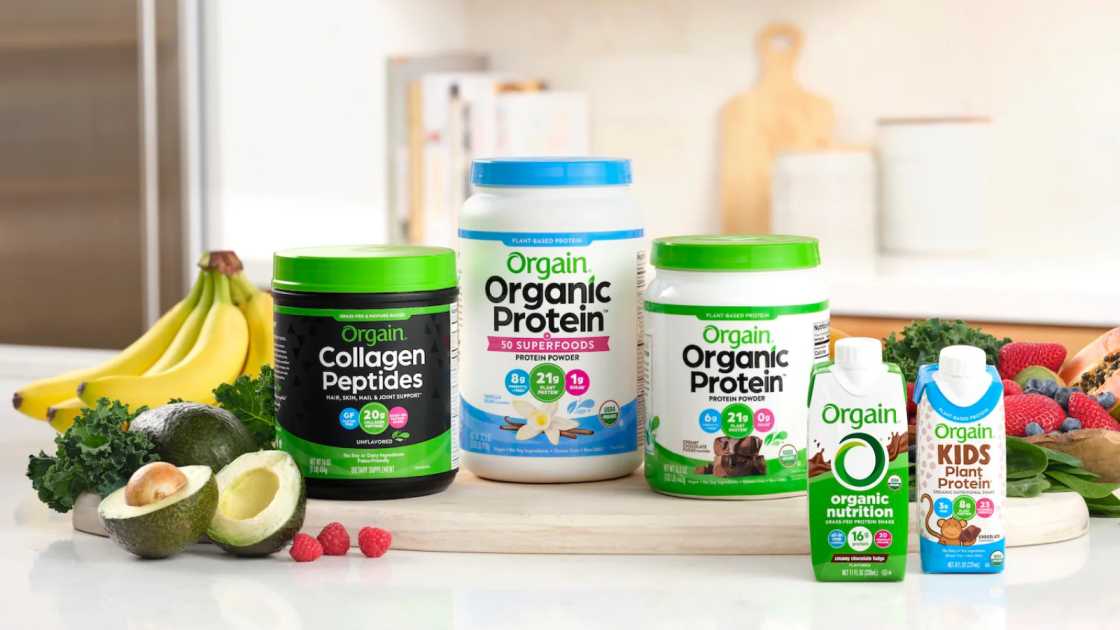
Choosing the right protein powder means understanding exactly what you’re putting into your body. If you’ve picked up a tub of Orgain or you’re considering it, you deserve to know what’s inside beyond the marketing claims. The orgain protein powder ingredients list tells a compelling story about clean nutrition, but how does it actually stack up for your health goals, dietary restrictions, and daily macros?
This guide breaks down every component of Orgain’s formula—from the protein sources and amino acid profile to the sweeteners and allergen considerations. You’ll learn how the orgain protein powder nutrition facts compare to competitors, whether it fits low FODMAP or gluten-free diets, and how to accurately measure servings. By the end, you’ll know if Orgain deserves a permanent spot in your pantry.
Analyzing the Orgain Protein Powder Ingredients List
The orgain protein powder ingredients start with organic plant-based proteins as the foundation. Orgain’s core formula uses organic pea protein, organic brown rice protein, and organic chia seed as the primary protein sources. This trio delivers a complete amino acid profile without dairy, soy, or animal products. Pea protein provides high levels of branched-chain amino acids (BCAAs) that support muscle recovery, while brown rice protein offers easily digestible complementary amino acids.
What Makes Orgain’s Ingredient List Stand Out
Beyond protein, you’ll find organic creamer (from acacia gum, high oleic sunflower oil, and rice dextrin), natural flavors, organic erythritol and stevia for sweetness, sea salt, organic guar gum as a thickener, and added vitamins and minerals. The orgain chocolate protein powder ingredients include organic cocoa for that rich chocolate taste without artificial additives. Every ingredient is certified organic and non-GMO verified, which means no synthetic pesticides or genetically modified organisms.
Ingredients to Note for Sensitive Users
The formula contains no gluten-containing grains, dairy derivatives, soy protein, or common allergens like tree nuts. Orgain clearly labels its products as vegan and gluten-free certified. The fiber content comes primarily from chia seeds and guar gum, contributing 4-5 grams per serving. If you’re watching sugar alcohols, note that erythritol may cause digestive discomfort in some people when consumed in large amounts, though it’s generally well-tolerated at the levels used here.
Deep Dive: Orgain Protein Powder Nutrition Facts
The orgain protein powder nutrition facts reveal a macro-friendly formula designed for clean supplementation. One scoop (46g) of Orgain Organic Protein delivers 21 grams of protein, 150 calories, 4 grams of total fat (0.5g saturated), 15 grams of carbohydrates (4g fiber, 0-1g sugar), and added vitamins including 50% DV of Vitamin D, calcium, and iron. The protein-to-calorie ratio sits at 14%, making it an efficient choice for those tracking macros carefully.
Breaking Down the Nutritional Profile
The carbohydrate content includes resistant starch from brown rice and soluble fiber from chia, both beneficial for gut health and sustained energy. Total fat comes from the organic creamer base and chia seeds—primarily healthy unsaturated fats with omega-3 alpha-linolenic acid (ALA). Sodium registers at 310mg per serving, providing about 13% of the daily value. The orgain protein powder nutritional information shows zero cholesterol and minimal added sugars, distinguishing it from many whey-based competitors loaded with lactose or added sweeteners.
Micronutrient Fortification
Orgain fortifies its formula with calcium carbonate (35% DV), iron (25% DV), vitamin D3 (50% DV), and potassium (6% DV). These additions address common nutrient gaps in plant-based diets, particularly calcium and vitamin D which support bone health. The iron content benefits those who don’t consume red meat regularly. According to research, plant-based eaters often need strategic supplementation of these specific nutrients to meet daily requirements.
Calorie Count: How Orgain Fits Your Diet
The orgain protein powder calories clock in at 150 per serving, positioning it as a moderate-calorie protein supplement. This calorie count works effectively for multiple dietary approaches—whether you’re in a calorie deficit for fat loss, maintaining weight, or building muscle in a surplus. A 150-calorie shake with 21g protein provides substantial satiety without derailing your daily targets, making it practical for meal replacement, post-workout recovery, or between-meal snacking.
Calorie Density Compared to Whole Foods
To put this in perspective, 150 calories from Orgain delivers the same protein as approximately 3 ounces of chicken breast or 3 large eggs, but with added fiber and micronutrients. The orgain protein powder nutrition label shows this calorie-to-protein efficiency makes it competitive with animal sources while offering plant-based benefits. If you blend it with unsweetened almond milk (30 calories) and half a banana (50 calories), you’re looking at a 230-calorie meal replacement that keeps you full for hours.
Adjusting for Your Goals
For aggressive fat loss, a single scoop in water keeps you under 200 calories total. For muscle building, double-scoop smoothies with oat milk, nut butter, and fruit can push your shake to 600+ calories with 40+ grams of protein. The moderate calorie base gives you flexibility to scale up or down based on your current phase. Track your total daily protein intake—most active adults need 0.7-1.0 grams per pound of body weight—and use Orgain as a convenient way to reach that target without excessive calories.
People also read: Is Orgain Protein Powder Good for Weight Loss and Fat Management?
Is Orgain Protein Powder Gluten Free & Low FODMAP?
Yes, is orgain protein powder gluten free is definitively answered: Orgain is certified gluten-free by third-party testing. The formula contains no wheat, barley, rye, or cross-contaminated oats. This certification means Orgain tests below 20 parts per million (ppm) of gluten, the FDA standard for gluten-free labeling. If you have celiac disease or non-celiac gluten sensitivity, Orgain provides a safe protein option backed by independent verification.
Low FODMAP Considerations
The question is orgain protein powder low fodmap requires more nuanced analysis. While Orgain doesn’t carry official low FODMAP certification, its ingredients generally align with low FODMAP guidelines. Pea protein isolate is considered low FODMAP in typical serving sizes. Brown rice protein is naturally low FODMAP. The potential concern lies in erythritol and guar gum—both can trigger symptoms in highly sensitive individuals during the elimination phase of a low FODMAP diet.
Making It Work for Sensitive Digestion
If you’re following a strict low FODMAP protocol under dietitian guidance, start with a half scoop to assess tolerance. Erythritol is a polyol (the “P” in FODMAP), but most people tolerate it well at doses under 10 grams. Orgain uses modest amounts, so a full scoop typically stays within safe limits. Guar gum acts as a thickener and fiber source—some gut-sensitive people react to it, others don’t. Keep a food diary for three days after introducing Orgain to identify any pattern of symptoms like bloating, gas, or cramping.
Understanding Scoop Size and Servings
The orgain protein powder scoop size measures 46 grams and delivers 21 grams of protein per serving. Each scoop is roughly three tablespoons or about 1/3 cup when lightly packed. The orgain protein powder 2.7 lbs container provides approximately 26 servings at the standard one-scoop measure. This means you’ll get nearly a month’s supply if you use one shake daily, making the cost per serving around $1.50-$2.00 depending on where you purchase.
Why Scoop Size Matters for Accuracy
Always use the included scoop rather than estimating with a tablespoon or cup measure. Protein powder density varies by ingredient composition, and eyeballing portions can throw off your macro tracking by 30-40%. If you’ve lost your scoop, weigh 46 grams on a food scale to ensure accuracy. Under-scooping means you’re getting less protein than calculated; over-scooping adds unnecessary calories and can affect taste consistency when mixed with your preferred liquid.
Adjusting Servings for Your Needs
Some users prefer a smaller half-scoop (23g) for lighter snacks or to reduce calories, delivering approximately 10-11g protein at 75 calories. Others do a heaping 1.5 scoops post-workout for 30+ grams of protein. The standard scoop size is designed to balance taste, texture, and nutrition—too little powder makes a watery shake, too much creates a chalky, thick consistency. Start with the recommended serving, then adjust based on your protein targets and how it fits your daily routine.
Amino Acid Profile in Orgain Organic Protein
The amino acid profile in orgain protein powder ingredients provides all nine essential amino acids your body cannot synthesize on its own. Pea protein contributes high levels of lysine (often limited in plant sources) and arginine, while brown rice protein delivers higher methionine and cysteine—together they create a complementary protein that rivals whey in biological value. This combination ensures you’re getting the building blocks needed for muscle protein synthesis, immune function, and tissue repair.
BCAAs and Muscle Recovery
Orgain delivers approximately 4.5 grams of branched-chain amino acids (BCAAs) per serving—specifically leucine, isoleucine, and valine. Leucine is the key trigger for muscle protein synthesis. Studies indicate that plant-based proteins can stimulate muscle growth equally to whey when leucine content is adequate. Orgain’s formula meets this threshold, making it effective for post-workout recovery and adaptation.
Complete vs. Incomplete Proteins
Individual plant proteins are often labeled “incomplete” because they’re low in one or more essential amino acids. The genius of Orgain’s blend is strategic complementarity: pea protein’s lysine covers rice protein’s shortage, and rice protein’s methionine compensates for pea protein’s limitation. When consumed together in the same serving, your body processes them as a complete protein source. You don’t need to “combine proteins at every meal”—that’s outdated nutritional thinking—but getting variety across the day ensures optimal amino acid availability.
Sugar Content: Sweeteners Used in Orgain
The sugar content in orgain protein powder nutrition facts shows less than 1 gram of naturally occurring sugars from the organic ingredients, with zero added cane sugar or high-fructose corn syrup. Instead, Orgain uses organic erythritol and organic stevia leaf extract as primary sweeteners. Erythritol is a sugar alcohol that provides sweetness with minimal caloric impact (0.2 calories per gram vs. sugar’s 4 calories per gram) and doesn’t spike blood glucose or insulin levels.
How These Sweeteners Affect Taste and Health
Erythritol offers about 60-70% the sweetness of sugar with a clean taste and no bitter aftertaste, which is why Orgain pairs it with stevia to reach the desired sweetness level. Stevia provides intense sweetness from natural plant compounds called steviol glycosides. Together, they create a balanced flavor that most users find pleasant without the artificial taste of sucralose or aspartame. For diabetics or those following keto diets, these non-nutritive sweeteners won’t interfere with ketosis or blood sugar management.
Digestive Tolerance to Sugar Alcohols
Most people tolerate erythritol better than other sugar alcohols like maltitol or xylitol because 90% is absorbed in the small intestine before reaching the colon, minimizing fermentation and gas production. However, consuming multiple scoops daily or combining with other erythritol-containing foods could exceed your personal threshold, potentially causing bloating or loose stools. If you notice digestive discomfort, space out your protein intake throughout the day rather than consuming large amounts at once.
Comparing Macros: Orgain vs. Competitors
When stacked against leading brands, Orgain holds its own in the plant-based protein category. Vega Sport provides 30g protein at 160 calories but contains more carbohydrates (5g vs. Orgain’s 15g) and costs significantly more per serving. Garden of Life Raw Organic offers similar protein (22g) at 120 calories but has a grittier texture that many users dislike. Orgain balances protein content, calorie efficiency, taste, and price point better than most organic plant-based competitors.
Orgain vs. Whey Protein
Comparing orgain protein powder nutritional information to whey reveals interesting trade-offs. Optimum Nutrition Gold Standard Whey delivers 24g protein at 120 calories—slightly better protein-to-calorie ratio—but contains dairy (a deal-breaker for vegans and lactose-intolerant individuals) and lacks the fiber content Orgain provides. Whey absorbs faster, which matters for immediate post-workout timing, while Orgain’s plant proteins digest more gradually, providing sustained amino acid release ideal for meal replacement or between-meal satiety.
Considering Cost and Value
At $35-$40 for the 2.7 lb container, Orgain costs approximately $1.60 per serving. Premium plant proteins like Momentous or Kion run $2.50-$3.00 per serving, while budget options like Trader Joe’s pea protein cost $0.80-$1.00 but lack organic certification and taste refinement. Orgain sits in the value-conscious middle ground—you’re paying for USDA organic ingredients, third-party certifications, and a formula that actually tastes good mixed with just water. That combination is hard to beat in the plant-based category.
Conclusion
The orgain protein powder ingredients deliver on the promise of clean, organic plant-based nutrition without compromise. You’re getting complete amino acids, digestive-friendly formulation, third-party certifications for purity, and competitive macros that fit seamlessly into meal planning. Whether you’re managing gluten sensitivity, following a vegan lifestyle, or simply want to reduce animal products, Orgain provides a practical solution backed by solid nutritional science.
Your next step is simple: grab a tub and test how Orgain fits your routine for 30 days. Track your energy levels, workout recovery, and how well it satisfies hunger between meals. The orgain protein powder nutrition facts look great on paper, but your personal experience determines whether it becomes a pantry staple or just another supplement you used once and forgot.
People also read: Orgain Protein Powder and Your Health: An Honest, Easy-to-Understand Guide
FAQs
What are the main ingredients in Orgain protein powder?
The primary orgain protein powder ingredients are organic pea protein, organic brown rice protein, and organic chia seed, providing 21g of complete plant-based protein per serving. Additional ingredients include organic cocoa (in chocolate varieties), organic erythritol and stevia for sweetness, organic creamer base, natural flavors, vitamins, and minerals.
How many calories are in one scoop of Orgain protein powder?
One scoop (46g) of orgain protein powder calories contains 150 calories with 21g protein, 15g carbohydrates (4g fiber), and 4g fat. This makes it suitable for various dietary goals from fat loss to muscle building, depending on how you incorporate it into your daily calorie target.
Is Orgain protein powder certified gluten-free?
Yes, Orgain is certified gluten-free and tests below 20 ppm of gluten, meeting FDA standards. If you have celiac disease or gluten sensitivity, Orgain provides a safe option without wheat, barley, rye, or cross-contamination concerns that plague some other protein powders.
Does Orgain protein powder work for a low FODMAP diet?
Orgain ingredients generally align with low FODMAP guidelines, though it’s not officially certified. Pea and rice proteins are low FODMAP, but erythritol and guar gum may trigger symptoms in highly sensitive individuals during strict elimination phases—start with a half scoop to test your tolerance.
How does Orgain’s protein content compare to whey protein?
Orgain provides 21g plant-based protein per 150-calorie serving, while typical whey powders offer 24-25g per 120-130 calories. Whey has a slightly better protein-to-calorie ratio and faster absorption, but Orgain offers comparable amino acids with added fiber and no dairy, making it ideal for vegans or those with lactose intolerance.
{ “@context”: “https://schema.org”, “@type”: “FAQPage”, “mainEntity”: [ { “@type”: “Question”, “name”: “What are the main ingredients in Orgain protein powder?”, “acceptedAnswer”: { “@type”: “Answer”, “text”: “The primary orgain protein powder ingredients are organic pea protein, organic brown rice protein, and organic chia seed, providing 21g of complete plant-based protein per serving. Additional ingredients include organic cocoa (in chocolate varieties), organic erythritol and stevia for sweetness, organic creamer base, natural flavors, vitamins, and minerals.” } }, { “@type”: “Question”, “name”: “How many calories are in one scoop of Orgain protein powder?”, “acceptedAnswer”: { “@type”: “Answer”, “text”: “One scoop (46g) of orgain protein powder calories contains 150 calories with 21g protein, 15g carbohydrates (4g fiber), and 4g fat. This makes it suitable for various dietary goals from fat loss to muscle building, depending on how you incorporate it into your daily calorie target.” } }, { “@type”: “Question”, “name”: “Is Orgain protein powder certified gluten-free?”, “acceptedAnswer”: { “@type”: “Answer”, “text”: “Yes, Orgain is certified gluten-free and tests below 20 ppm of gluten, meeting FDA standards. If you have celiac disease or gluten sensitivity, Orgain provides a safe option without wheat, barley, rye, or cross-contamination concerns that plague some other protein powders.” } }, { “@type”: “Question”, “name”: “Does Orgain protein powder work for a low FODMAP diet?”, “acceptedAnswer”: { “@type”: “Answer”, “text”: “Orgain ingredients generally align with low FODMAP guidelines, though it’s not officially certified. Pea and rice proteins are low FODMAP, but erythritol and guar gum may trigger symptoms in highly sensitive individuals during strict elimination phases—start with a half scoop to test your tolerance.” } }, { “@type”: “Question”, “name”: “How does Orgain’s protein content compare to whey protein?”, “acceptedAnswer”: { “@type”: “Answer”, “text”: “Orgain provides 21g plant-based protein per 150-calorie serving, while typical whey powders offer 24-25g per 120-130 calories. Whey has a slightly better protein-to-calorie ratio and faster absorption, but Orgain offers comparable amino acids with added fiber and no dairy, making it ideal for vegans or those with lactose intolerance.” } } ] }