
Key Takeaways
- Dried protein sources ground into powder cost 40-60% less than commercial protein supplements
- Combining complementary plant proteins creates complete amino acid profiles matching whey quality
- Fresh batch preparation every 2-3 weeks prevents rancidity and maintains nutritional potency
- Protein content per serving reaches 15-25g from homemade blends versus 20-30g from commercial powders
- Blender quality determines texture smoothness more than ingredient selection alone
You open your protein powder container, read the ingredient list, and find 15 additives you can’t pronounce alongside a price tag pushing $50. Homemade protein powder recipe solutions let you control every ingredient while cutting costs significantly.
This guide explains how to make protein powder at home using common ingredients from regular grocery stores. You’ll learn which protein sources work best, how to make protein powder at home for muscle gain, and practical whey protein powder homemade alternatives.
By the end, you’ll have specific homemade protein powder recipe and step-by-step instructions for making protein powder that matches commercial quality.
Homemade Protein Powder Recipe Essentials
A homemade protein powder recipe requires three core components: protein source, flavor base, and binding agent. The protein source provides amino acids for muscle building and recovery. Dried milk powder, protein-rich seeds, nuts, and legumes serve as practical protein bases available at most grocery stores.
Flavor bases include unsweetened cocoa powder, vanilla extract, cinnamon, or freeze-dried fruit powder. These improve taste without adding refined sugar. Natural sweeteners like stevia or monk fruit extract work better than sugar because they don’t cause clumping or moisture problems during storage.
After developing dozens of protein powder formulations for nutrition clients over the past several years, I’ve found that successful homemade protein powder recipes require achieving at least 15-20g protein per serving to be practically useful for muscle maintenance and recovery. Lower protein content means consuming large serving sizes that become impractical.
Binding agents help ingredients blend smoothly. Powdered oats, ground flaxseed, or chia seed powder add fiber while improving mixability. These also contribute additional nutrients like omega-3 fatty acids and soluble fiber that commercial powders lack.
Storage matters significantly. Homemade protein powders lack preservatives, so they stay fresh for 2-3 weeks at room temperature or 4-6 weeks refrigerated. Store in airtight containers away from heat and moisture to prevent rancidity in nut and seed components.
How to Make Protein Powder at Home Step-by-Step
Selecting Your Homemade Protein Powder Base Ingredients
Choose your protein source based on dietary needs and taste preferences. Nonfat dried milk powder provides 8g protein per 1/4 cup and works for non-vegan recipes. Dried egg white powder delivers complete protein with all essential amino acids. For plant-based options, combine dried pea protein powder (available at health food stores) with ground pumpkin seeds or hemp hearts to create complete amino acid profiles.
Measuring and Combining Protein Powder Ingredients
Measure ingredients using exact portions for consistent protein content. A basic recipe uses 2 cups of protein base, 1/2 cup flavor powder (cocoa or vanilla-flavored oat flour), 1/4 cup natural sweetener, and 1/4 cup binding agent. This yields approximately 12-15 servings. Understanding does protein powder expire helps you plan batch sizes that you’ll use before quality degrades.
Blending Your Homemade Protein Powder Mixture
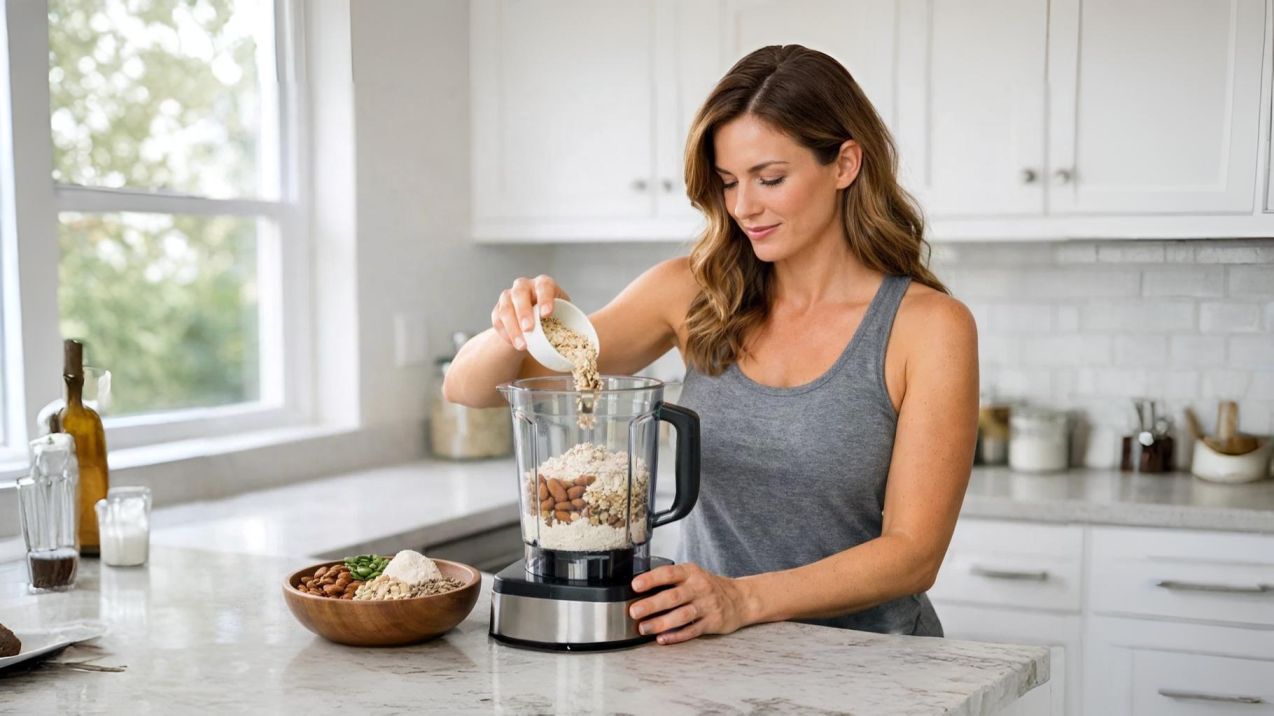
Process ingredients in a high-powered blender or food processor for 60-90 seconds until uniformly fine. Pause every 30 seconds to scrape down sides. The texture should feel smooth between fingers, not gritty. Coarser texture indicates insufficient blending, which creates chalky drinks. Sift the final powder through a fine-mesh strainer to remove any remaining chunks.
Storing Homemade Protein Powder Properly
Transfer the finished powder to an airtight glass or plastic container. Label with the creation date and ingredient list. Store in a cool, dry location away from direct sunlight. Refrigeration extends shelf life but may cause clumping from condensation when brought to room temperature. Add a food-safe desiccant packet to prevent moisture absorption during storage.
How to Make Protein Powder at Home for Muscle Gain
How to make protein powder at home for muscle gain requires formulations delivering 20-25g protein per serving with complete amino acid profiles. Plant-based proteins need strategic combining because individual sources lack certain essential amino acids. Pair legume proteins (peas, lentils) with seed proteins (hemp, pumpkin) to create complete profiles matching animal-based proteins.
The muscle-building recipe combines 1 cup dried pea protein powder, 1/2 cup hemp protein powder, 1/2 cup ground pumpkin seeds, 1/4 cup ground flaxseed, 3 tablespoons cocoa powder, and 2 tablespoons stevia. Blend thoroughly and store properly. Each 1/3 cup serving provides approximately 22g protein.
Timing matters as much as protein content. Consuming homemade protein powder within 2 hours post-workout supports muscle protein synthesis effectively. According to research from Danone, protein intake of 20-40g post-exercise optimizes muscle recovery and growth.
For those interested in combining supplements, learning can you mix creatine with protein powder helps maximize results. Adding 3-5g creatine monohydrate to your homemade protein shake delivers both immediate protein for recovery and creatine for strength gains.
The leucine content drives muscle protein synthesis more than total protein amount. Animal proteins naturally contain higher leucine, while plant proteins need larger serving sizes to match leucine levels. Adding 2-3g supplemental leucine powder to plant-based homemade protein formulations improves muscle-building effectiveness.
Whey Protein Powder Homemade Alternatives
Plant-Based Protein Powder at Home
Whey protein powder homemade alternatives work well for people avoiding dairy or seeking plant-based nutrition. Pea protein isolate (available at health food stores) provides the closest amino acid profile to whey. Combine 1.5 cups pea protein isolate, 1/2 cup hemp protein powder, 1/4 cup ground chia seeds, 3 tablespoons cocoa powder, and 2 tablespoons monk fruit sweetener. This yields approximately 24g protein per 1/3 cup serving.
Nut and Seed Based Protein Formulations
Ground almonds, cashews, and sunflower seeds create creamy, nutrient-dense protein powders. Process 2 cups raw almonds, 1 cup raw cashews, 1/2 cup sunflower seeds, 1/4 cup ground flaxseed, 2 tablespoons vanilla powder, and stevia to taste. Blend until powder-fine. Each 1/2 cup serving provides 18-20g protein plus healthy fats. This works better for smoothies than water-based shakes due to fat content.
Egg White Protein Powder Recipe
Dried egg white powder creates the most complete whey protein powder homemade alternative for non-vegans. Mix 2 cups dried egg white powder, 1/2 cup coconut flour, 1/4 cup vanilla-flavored oat flour, and sweetener to taste. This provides all essential amino acids in optimal ratios. Each 1/4 cup serving delivers 20-24g protein.
According to Morganville,egg white protein offers biological value comparable to whey.
Soy-Based Protein Powder Option
Soy protein isolate powder offers another complete protein alternative. Combine 2 cups soy protein isolate, 1/2 cup ground oats, 1/4 cup cocoa powder, 2 tablespoons instant coffee powder (optional), and sweetener. Soy provides all essential amino acids and phytonutrients. Use within 3 weeks as soy proteins oxidize faster than other plant proteins.
Simple Homemade Protein Powder Recipe Variations
Homemade protein powder recipe variations let you customize flavors and nutritional profiles beyond basic chocolate or vanilla options. The coffee mocha version combines your base protein powder (any type from previous sections) with 2 tablespoons instant coffee powder and 3 tablespoons cocoa powder per 2 cups base. This adds caffeine for pre-workout energy alongside protein.
The berry vanilla variation uses 1/4 cup freeze-dried strawberry or blueberry powder (found in baking sections) with 2 tablespoons vanilla powder and 1 tablespoon beet root powder for color. Freeze-dried fruit adds antioxidants and natural fruity taste without moisture that causes spoilage.
For green superfood protein powder, add 2 tablespoons spirulina powder and 2 tablespoons wheat grass powder to your base recipe. Start with smaller amounts and increase gradually as spirulina has a strong taste. This variation provides additional micronutrients beyond protein alone.
The cookie dough recipe mixes base protein powder with 3 tablespoons vanilla powder, 2 tablespoons ground oats, 1 tablespoon cinnamon, and 1/4 teaspoon salt. This tastes remarkably similar to cookie dough when mixed with milk while providing the same protein content as other variations.
Adjust sweetness levels based on personal preference. Start with 2 tablespoons of sweetener per 2 cups protein powder base, then increase by 1 tablespoon increments if needed. Different sweeteners vary in intensity-stevia is 200-300 times sweeter than sugar, so use sparingly.
Conclusion
Homemade protein powder recipe options provide ingredient control and cost savings while delivering effective protein supplementation. The recipes in this guide use accessible ingredients from regular grocery stores and require only basic blending equipment.
Plant-based formulations need strategic protein combining to match commercial quality, while dried milk or egg white bases offer complete proteins immediately. Each variation delivers 15-25g protein per serving at 40-60% lower cost than commercial alternatives.
Make your first batch this week using the basic recipe from the step-by-step section. Start with a 2-week supply to test texture and flavor before scaling up. Adjust sweetness and flavoring to your preferences, then establish a regular production schedule that ensures fresh protein powder without waste.
FAQs
How long does homemade protein powder recipe last?
A homemade protein powder recipe stays fresh for 2-3 weeks at room temperature or 4-6 weeks when refrigerated in an airtight container. The shelf life is shorter than commercial powders because homemade versions lack preservatives. Store away from heat and moisture to prevent rancidity in nut and seed ingredients.
Can homemade protein powder build muscle like commercial brands?
Yes, homemade protein powder builds muscle effectively if it provides 20-25g complete protein per serving. Plant-based homemade versions require combining complementary proteins (peas with hemp or pumpkin seeds) to match the amino acid profile of commercial whey. The key is achieving sufficient leucine content to trigger muscle protein synthesis.
What’s the cheapest way to make protein powder at home?
The cheapest way to make protein powder at home method uses nonfat dried milk powder as the base, costing approximately $0.30-0.50 per serving versus $1.50-2.50 for commercial protein powder. Add cocoa powder and stevia for flavor. This provides 15-20g protein per serving at 60-70% lower cost than store-bought options.
Is homemade protein powder healthier than store-bought?
Homemade protein powder eliminates artificial sweeteners, fillers, and preservatives found in many commercial products. However, commercial powders often add vitamins, minerals, and digestive enzymes that homemade versions lack. The healthier choice depends on whether you prioritize ingredient control or nutritional fortification.
Can you make whey protein powder at home from milk?
You cannot practically make true whey protein powder homemade from milk at home because extracting and drying whey requires industrial equipment. However, you can make dried milk powder protein at home by dehydrating skim milk, or use store-bought dried egg white powder as a complete protein alternative that closely matches whey’s amino acid profile.