Hair loss affects millions of Americans each year, with approximately 50 million men and 30 million women experiencing hereditary hair loss. The thinning strands, widening part lines, and visible scalp can significantly impact confidence and self-image. For those searching for clinically proven solutions, the most pressing question becomes: does rogaine work, and can rogaine truly deliver the results users seek?
Rogaine stands as the first FDA-approved over-the-counter topical treatment specifically designed to combat hereditary hair loss. Since its approval in 1988, this rogaine minoxidil product has built a reputation backed by clinical studies, dermatologist recommendations, and decades of real-world results. Understanding whether does rogaine work for your specific situation requires examining the science, user experiences, and practical considerations surrounding this widely recognized hair regrowth treatment.
What Is Rogaine? Product Overview and Key Details
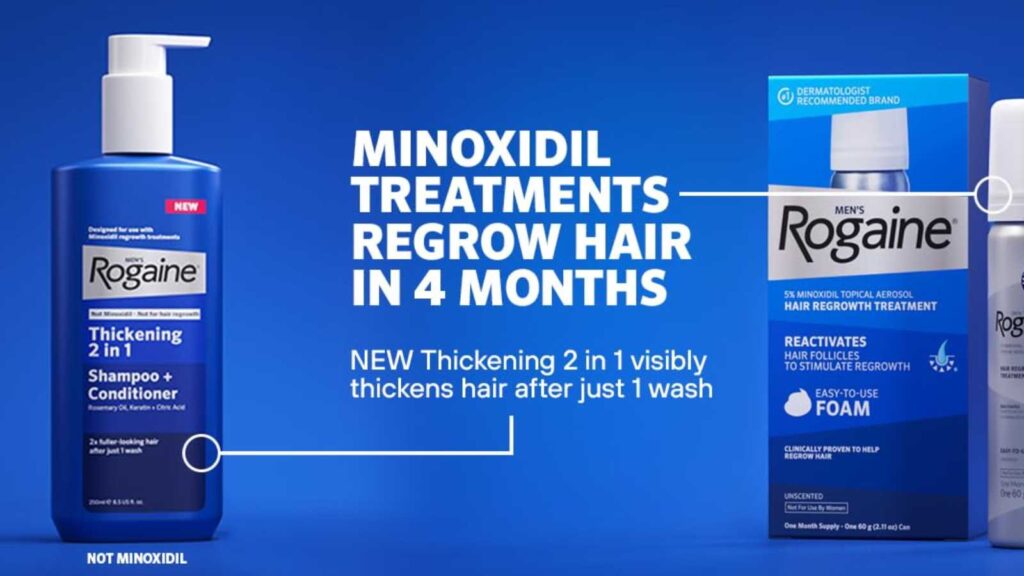
What is rogaine exactly? Rogaine minoxidil is an over-the-counter topical treatment available in two primary formulations: foam and solution. Both rogaine for men and rogaine for women are available, though specific concentrations and application frequencies differ between genders.
Understanding what is rogaine and how it functions helps consumers make informed decisions about whether this treatment aligns with their hair loss needs.
Key Features and Specifications
| Feature | Details |
| Active Ingredient | Minoxidil (2% or 5% concentration) |
| Product Forms | Rogaine foam (aerosol), Liquid Solution |
| FDA Approval | 1988 (men), 1992 (women) |
| Application Frequency | Twice daily (men), Once daily (women’s 5% foam) |
| Recommended Age Range | 18-65 years |
| Treatment Duration | Continuous use required; initial results 2-4 months |
| Availability | Over-the-counter at pharmacies, online retailers |
| Approved Use | Androgenetic alopecia (hereditary hair loss) |
Rogaine for men comes in 5% minoxidil foam and 5% solution formulations, specifically designed for twice-daily application to the scalp. The rogaine foam version offers easier application to larger areas with less dripping, while the solution provides precision targeting. Consumers frequently ask “does rogaine work better in foam or solution form,” and both deliver equivalent active ingredients.
Rogaine for women is available as 5% foam (once-daily use) and 2% solution (twice-daily use). The brand has been tested on over 47,000 people, making it the most extensively studied topical hair loss treatment available.
Brand Claims & Promises: Does Rogaine Actually Work?
Rogaine makes several specific claims about its effectiveness and results timeline, all supported by clinical research conducted over multiple decades.
The brand promises that does rogaine actually work for hereditary hair loss by reversing the miniaturization process of hair follicles. According to the manufacturer, rogaine minoxidil works by enlarging shrunken hair follicles and prolonging the growth phase (anagen) of the hair cycle. This process allows hair to become longer and thicker while increasing the number of follicles in active growth simultaneously. Users researching does rogaine actually work discover that this mechanism targets the root cause of hair loss.
Specific Performance Claims:
- 46% more effective when started earlier-understanding does rogaine work improves with early intervention
- 4x more hair regrowth possible within 16 weeks compared to no treatment
- Results visible as early as 2-4 months with consistent twice-daily use
- Full results achieved at 4-6 months, with continued improvement up to one year
- Clinically proven to help regrow hair and stop further loss in hereditary hair loss cases
The brand emphasizes that Rogaine is the **#1 dertologist-recommended hair regrowth brand and the only topical treatment with FDA approval for both rogaine for men and rogaine for women. Clinical studies show that 5% minoxidil rogaine solution produces 45% more hair regrowth than 2% minoxidil at 48 weeks.
Rogaine also clearly states limitations: the product works specifically for hereditary hair loss (androgenetic alopecia) affecting the vertex (top of the scalp). It is not approved for frontal baldness or receding hairlines, though some users report off-label success in these areas.
Pros and Cons: Understanding Rogaine Benefits and Rogaine Side Effects
Advantages: Why Does Rogaine Work for Many Users?
| Pros | Supporting Evidence |
| FDA-approved efficacy | First and only FDA-approved OTC topical hair loss treatment with 30+ years of clinical validation-does rogaine work is backed by decades of research |
| Clinically proven results | Studies show 5% minoxidil resulted in 45% more hair regrowth than 2% formulation; 92% of users reported fair to excellent results after one year |
| Non-invasive treatment | Simple topical application eliminates need for surgery or oral medications with systemic effects |
| Available without prescription | Over-the-counter availability allows immediate treatment access-no need for doctor visits to start rogaine |
| Multiple formulations | Rogaine foam and solution options accommodate different hair types, preferences, and sensitivities |
| Works for both genders | Separate formulations address both male and female pattern hair loss-does rogaine work for women and men equally |
| Relatively affordable | Generic minoxidil available for $15/month; brand-name Rogaine $30-45 |
| Stops progression | Prevents further hair loss while promoting regrowth in responsive individuals |
Disadvantages: Rogaine Side Effects and Rogaine Adverse Effects
| Cons | Considerations |
| Requires continuous use | Stopping treatment causes regrown hair to fall out within 3-4 months-understanding does rogaine work means committing long-term |
| Variable effectiveness | Not everyone responds; approximately 40-60% see moderate to significant regrowth when asking does rogaine work |
| Time commitment | Twice-daily application can be inconvenient; results take 4-6 months minimum |
| Initial shedding phase | Increased hair loss in weeks 1-3 as old hairs shed to make room for new growth |
| Scalp irritation | 13.8% of users experience itching, redness, or burning, often due to propylene glycol in liquid formula |
| Rogaine side effects and rogaine adverse effects | Unwanted facial hair growth (3-51% in women), contact dermatitis, temporary hair texture changes-understanding potential rogaine adverse effects helps users prepare |
| Limited coverage area | Only proven effective for vertex (crown) hair loss, not frontal baldness or receding hairlines-does rogaine work differently in different areas |
| Cost over time | Long-term continuous use of rogaine means ongoing monthly expenses |
| Not suitable for all ages | Not tested for safety in those under 18 or over 65 (men) |
Alternatives and Comparisons: Beyond Rogaine Minoxidil
Several alternatives exist for those considering hair loss treatment options beyond rogaine minoxidil or minoxidil rogaine.
Finasteride (Propecia): This prescription oral medication blocks DHT (dihydrotestosterone), the hormone responsible for shrinking hair follicles. Clinical studies show finasteride may be more effective than minoxidil rogaine, with 80% of men reporting increased hair density after 12 months compared to 52% with rogaine. However, finasteride is prescription-only, works only for men, and carries potential side effects. Many experts recommend combining both treatments when researching does rogaine work in combination therapies.
Kirkland Minoxidil: This Costco brand contains identical active ingredients to Rogaine at the same 5% concentration but costs significantly less-approximately 60% cheaper for the solution formula. A six-month Kirkland supply costs $16.99 for solution or $49.49 for foam versus Rogaine’s $43.84 for just three months.
Hims/Hers: These telehealth platforms offer generic minoxidil for approximately $15/month plus access to prescription treatments like finasteride. Hims provides combination topical treatments mixing 6% minoxidil with finasteride, potentially offering superior results when does rogaine work isn’t sufficient alone.
Natural Alternatives: Pumpkin seed extract, rosemary oil, saw palmetto, and biotin supplements show some promise in research but lack the extensive clinical validation of rogaine minoxidil. A 2021 study found pumpkin seed extract comparable to 5% rogaine foam for female pattern hair loss, though more research is needed.
Low-Level Laser Therapy (LLLT): FDA-cleared laser devices stimulate hair follicles through light energy. These can be used alongside Rogaine for enhanced results.
Hair Transplant Surgery: For permanent restoration, surgical hair transplantation offers the most dramatic results but comes with significant cost ($4,000-$15,000+) and requires adequate donor hair.
Target Audience: Who Benefits Most from Rogaine?
Rogaine for men and rogaine for women work best for specific demographics and hair loss patterns. Understanding which audience benefits most helps determine whether does rogaine work for your situation.
Ideal Candidates:
- Adults aged 18-65 experiencing early to moderate hereditary hair loss (androgenetic alopecia)-does rogaine work best when started early
- Those with recent hair loss onset (within 5 years) respond better when answering does rogaine work
- Younger users under 40 years old typically see superior results from rogaine for men and rogaine for women
- Individuals with vertex (crown) thinning rather than frontal recession
- People committed to consistent, long-term treatment who can apply rogaine for men small pack or larger quantities twice daily
- Those seeking non-invasive, over-the-counter solutions without prescription requirements
Less Suitable For:
- Individuals with complete baldness or inactive hair follicles in treatment areas
- Those with frontal baldness or significant receding hairlines (limited clinical evidence for effectiveness with rogaine)
- People under 18 or over 65 years (insufficient safety/efficacy data)
- Pregnant or nursing women (safety not established)
- Those with non-hereditary hair loss causes (alopecia areata, medication-induced, nutritional deficiencies)
- Individuals unable to commit to continuous twice-daily application
Statistics show that 85% of men experience significant hair thinning by age 50, while approximately 40% of women show visible hair loss by age 40. Female pattern hair loss affects 1 in 4 women by age 49 and more than half by age 79. This substantial population makes understanding does rogaine work increasingly important.
Final Verdict/Recommendation: Does Rogaine Work?
Does rogaine work? The answer is a qualified yes-for the right candidates with appropriate expectations.
Clinical evidence conclusively demonstrates that rogaine minoxidil can effectively slow hair loss and promote regrowth in hereditary androgenetic alopecia affecting the crown area. Studies show 40-60% of users experience moderate to significant regrowth when asking does rogaine work, while approximately 92% report at least fair results in slowing hair loss progression. The 5% formulation delivers 45% more regrowth than 2% versions and produces results earlier, which is why understanding does rogaine work matters when selecting concentration.
Recommendation: BUY Rogaine for:
- Adults under 50 with early to moderate hereditary hair loss on the crown-does rogaine work best in this demographic
- Those committed to consistent 6-12 month trials and long-term daily application of rogaine for men or rogaine for women
- Individuals seeking non-invasive, FDA-approved OTC treatment options and wondering does rogaine work without prescription
- Users willing to accept variable results and continuous use requirements
- Anyone asking “does rogaine actually work for my hair type” who fits the ideal candidate profile
Consider alternatives or combination therapy if:
- Hair loss is primarily frontal or receding hairline-focused (does rogaine work less effectively in these areas)
- You have complete baldness or long-standing inactive follicles
- Cost sensitivity requires maximum value-choose generic minoxidil when considering does rogaine work value proposition
- You want potentially superior results-combine with finasteride under medical supervision
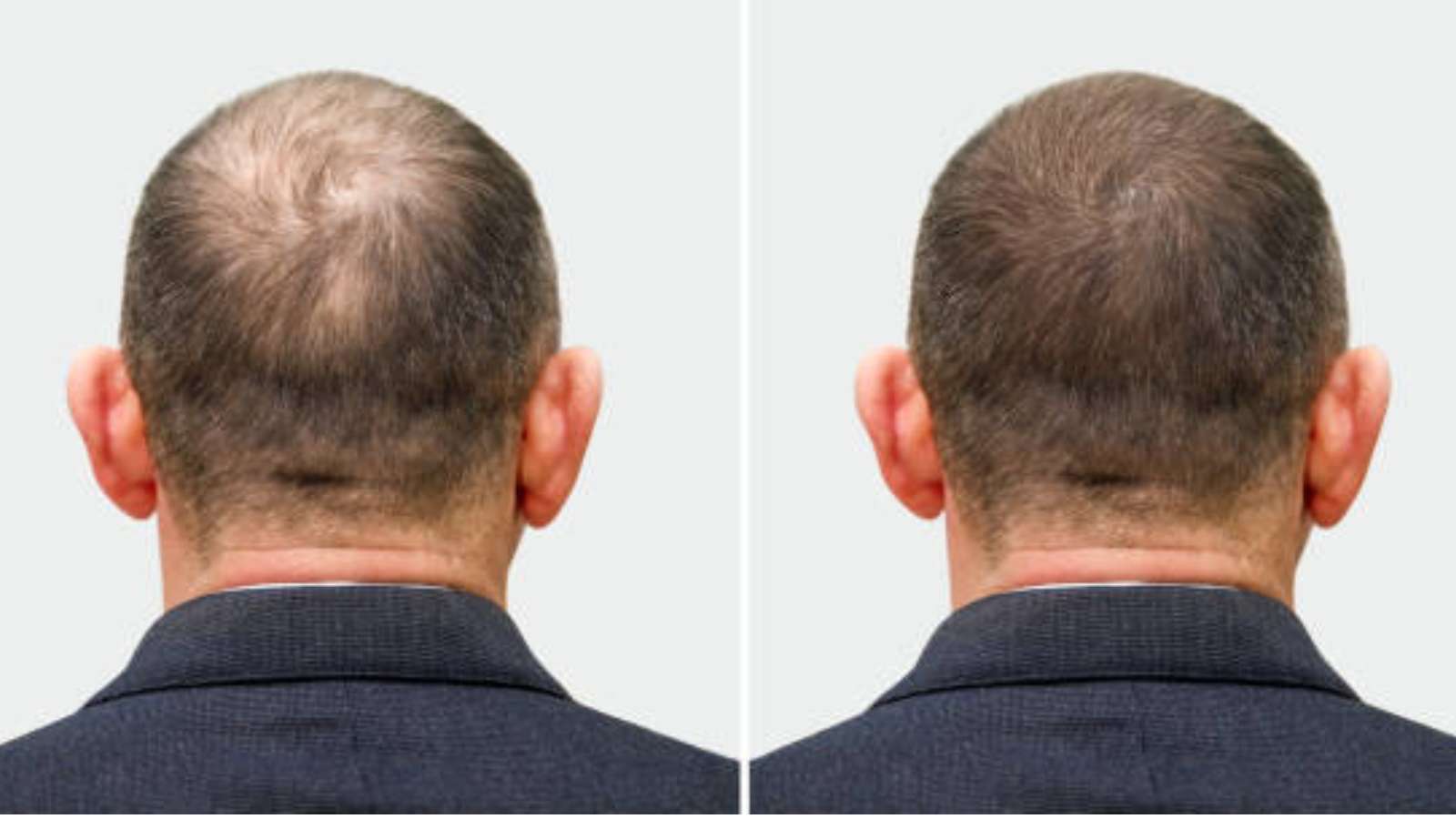
The rogaine before and after evidence from clinical trials and user testimonials confirms real results are possible with rogaine, though patience and consistency are essential. Most users see initial changes at 2-4 months when researching does rogaine work timeline, noticeable improvement at 4-6 months, and optimal results at 12 months of continuous use.
Rogaine foam and solution remain the gold standard OTC topical hair loss treatments with the most extensive research backing. Understanding rogaine minoxidil mechanisms and asking does rogaine work for your specific needs helps determine if this treatment aligns with your hair restoration goals.
More Alternate Hair Growth products: Read here
FAQs
Does Rogaine work for everyone?
No, Rogaine does not work for everyone. Clinical studies show approximately 40-60% of users experience moderate to significant hair regrowth when asking does rogaine work, while 92% report at least some success in slowing hair loss. Effectiveness of rogaine minoxidil depends on age, hair loss severity, genetics, and consistent application. The answer to does rogaine actually work ultimately depends on individual factors.
How long does Rogaine take to work and when should I expect results?
Rogaine typically requires 2-4 months of consistent twice-daily use before initial results appear when asking does rogaine work timeline. Noticeable improvement usually occurs at 4-6 months, with optimal results achieved after 12 months of continuous treatment. Users following rogaine for men or rogaine for women directions consistently report this timeline when discovering does rogaine actually work.
What are the most common rogaine side effects and rogaine adverse effects?
The most common rogaine side effects include scalp irritation (itching, redness, burning) affecting about 13.8% of users, initial hair shedding in weeks 1-3, and unwanted facial hair growth (particularly in women). Understanding rogaine adverse effects helps users prepare for potential reactions. Most rogaine side effects and rogaine adverse effects are mild and temporary for most users.
Is rogaine foam better than solution for hair regrowth?
Rogaine foam and solution contain the same active ingredient (minoxidil) at identical concentrations, so effectiveness is comparable. Foam tends to cause less rogaine side effects since it lacks propylene glycol, dries faster, and is easier to apply, while solution offers more precision for targeted application. Both rogaine foam and solution effectively address hair loss.
What happens if I stop using Rogaine and does rogaine work after stopping?
Stopping Rogaine causes the hair regrowth process to reverse. Newly regrown hair will typically fall out within 3-4 months of discontinuing treatment, and hair loss will resume its natural progression. Continuous use is required to maintain results-this is why understanding does rogaine work long-term matters. The rogaine before and after results you achieve will diminish if you stop using the product.
What is Rogaine and how does it differ from other hair loss treatments?
What is rogaine? It’s the first FDA-approved OTC topical treatment for hereditary hair loss. What is rogaine composed of? The active ingredient is minoxidil. Understanding what is rogaine helps consumers see why rogaine minoxidil stands apart from alternatives. What is rogaine’s mechanism of action involves enlarging shrunken hair follicles, which is why rogaine minoxidil works differently than prescription options.
Who should try rogaine for men small pack options?
Rogaine for men small pack starter supplies are ideal for users new to minoxidil treatment. Rogaine for men small pack options let users test tolerance before committing to larger purchases. The rogaine for men small pack provides a low-risk entry point when determining does rogaine work for your specific needs.
What does rogaine before and after evidence show?
Rogaine before and after clinical trial results demonstrate real hair regrowth in responsive individuals. Rogaine before and after photos from studies show increased hair density and thickness in crown areas. Rogaine before and after evidence confirms that does rogaine work when users maintain consistency.