Key Takeaways
- Label vs. formula: The bottle name matters far less than what is actually in the ingredient list; read that first.
- Skin is not fixed: Oily in summer, dry in winter means your ideal product shifts too; one formula is not a permanent assignment.
- Tight skin after washing: Always a barrier disruption signal, not a sign of a good cleanse; squeaky clean is not the goal.
- Micellar water fits the cleanser category: It lifts debris without rinsing, but works best as a first step for heavy makeup days
- Double cleansing settles the debate: One oil-based step, one water-based step; best of both in the right order
Introduction
You have probably used “face wash” and “cleanser” to mean the exact same thing. Most people do. Then one day you are standing in the skincare aisle, staring at two different bottles, and you start to wonder if you have been doing it wrong.
So is cleanser or face wash the same thing? Not exactly, but the difference between cleanser and face wash is smaller than the marketing suggests. No regulatory body defines a legal distinction between the two. What actually matters is the formula inside the bottle and how your skin responds to it.
This guide covers the real distinctions, what the ingredient list tells you, where micellar water fits in, and a simple three-question framework to help you pick the right product for your skin right now.
The Honest Answer to Whether Cleanser and Face Wash Are Actually the Same
There is no official regulatory definition separating a cleanser from a face wash. The distinction exists in formulation tendencies, not product categories. Face wash tends to be water-activated, foaming, and built to cut through oil and sweat. Cleanser tends to be creamier, milder, or oil-based, designed to hydrate while it cleans.
Both products do the same fundamental job. One formula is simply more aggressive about it than the other.
What a Face Wash Does and Which Skin Types Get the Most Out of It
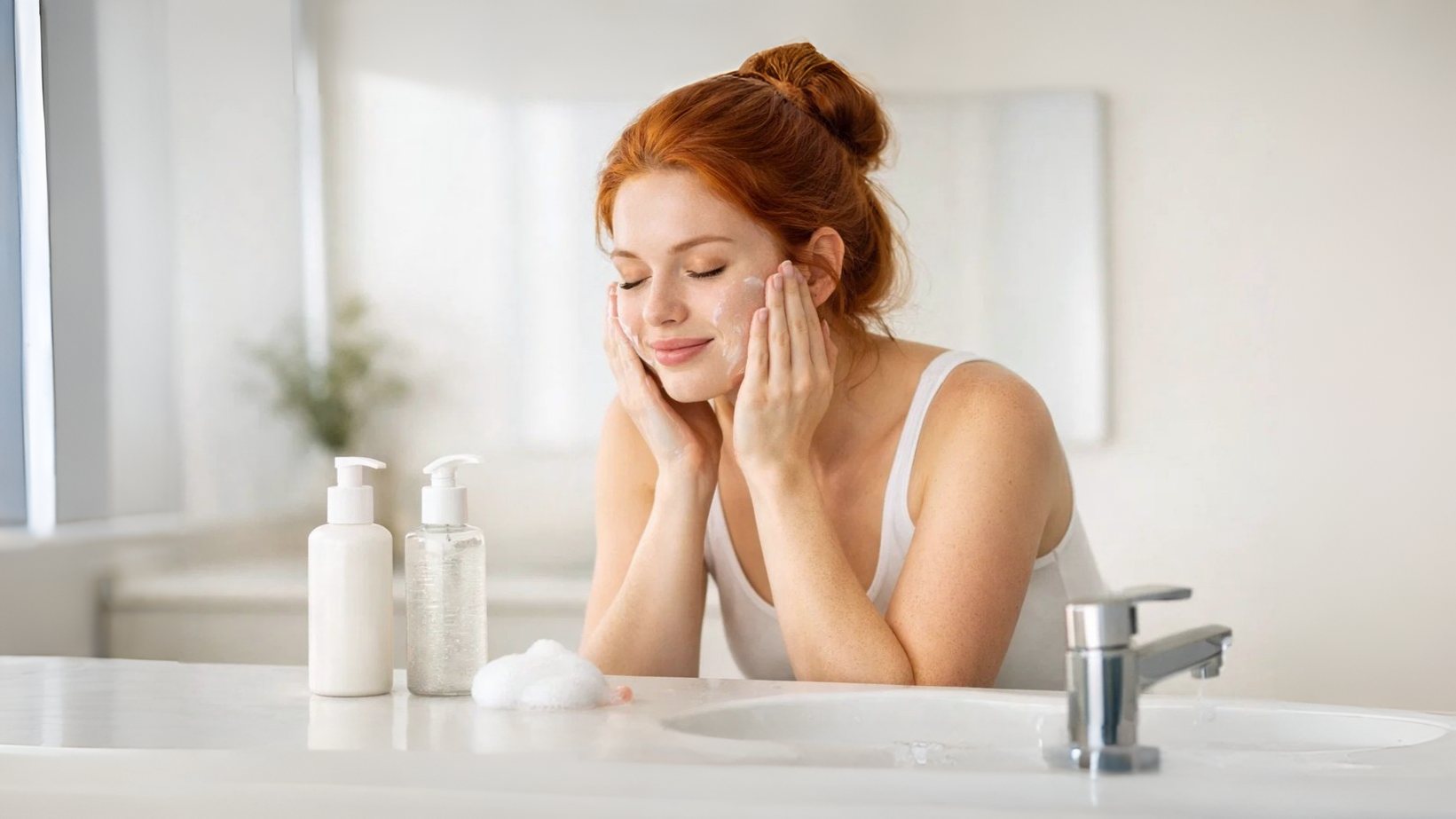
A face wash is typically a gel or foaming formula that uses surfactants to lift oil, sweat, and debris off the skin’s surface. Some face washes include salicylic acid for acne-prone skin or benzoyl peroxide for bacterial control.
Face wash works best for oily and acne-prone skin. Here is the caveat most guides skip: if your face feels tight or dry after using it, that is not a sign of a thorough cleanse. That tight feeling means your skin barrier has been disrupted, which is the opposite of what you want from any cleansing product.
Read more: Face Cleansing with Aloe Vera and Why Your Skin Needs It
What a Facial Cleanser Does and Where Micellar Water Fits Into the Picture
A facial cleanser is a broader category. It covers cream cleansers, oil cleansers, balm cleansers, and micellar waters. These formulas clean the skin with gentler surfactants or oil-based ingredients that dissolve makeup and debris without stripping natural moisture from the surface.
So is micellar water a cleanser? Yes. Micellar water contains tiny oil molecules called micelles suspended in soft water that attract and lift impurities without rinsing. As for whether you can use micellar water as a cleanser on its own: for light makeup or morning routines, it works well. For full-coverage makeup or SPF, use it as a first step before a second, water-based cleanse.
Cleanser vs. Face Wash: Side-by-Side Comparison
| Face Wash | Cleanser | |
| Texture | Gel, foam, lather | Cream, balm, oil, micellar |
| Primary job | Remove oil and sweat | Dissolve makeup, hydrate while cleaning |
| Best for | Oily, acne-prone skin | Dry, sensitive, combination, mature skin |
| After feeling | Clean but not tight | Soft, sometimes slightly dewy |
| Common ingredients | Surfactants, salicylic acid | Glycerin, ceramides, botanical oils |
| Micellar water included? | No | Yes |
The Ingredient Watchlist Matters More Than the Product Name on the Label
The label on the bottle is almost irrelevant once you know what to look for inside it.
Ingredients worth seeking out
- Ceramides restore and protect the skin barrier.
- Glycerin draws moisture into the skin.
- Hyaluronic acid adds hydration at the surface level.
- Niacinamide calms redness and helps regulate oil production.
Ingredients worth avoiding for sensitive or dry skin
- Sodium lauryl sulfate (SLS) and sodium laureth sulfate (SLES) are strong surfactants that can strip the skin barrier with repeated use. Research indexed on PubMed links SLS to irritation in people with eczema and sensitive skin conditions.
- Denatured alcohol and synthetic fragrance are also common irritants that show up in both face washes and cleansers.
The real distinction is not cleanser vs. face wash. It is a barrier-preserving formula vs. barrier-disrupting formula. A product that keeps your barrier intact is the right product, regardless of what it calls itself.
How to Choose Between Cleanser and Face Wash Based on Your Skin Right Now
Oily skin gets face wash, dry skin gets cleanser. You have seen that rule everywhere. It is not wrong. It is just incomplete.
Skin is not fixed. Most people run oilier in summer and drier in winter. Hormones Affect Your Skin too. Hormonal shifts around your cycle can push your skin from combination to sensitive in just a few days. The product that worked well for you three months ago may not be the right fit today.
A better approach: answer three questions before you buy:
- What does my skin feel like within an hour of cleansing? Tight or stripped means the formula is too harsh.
- Has my skin changed recently due to season, stress, or hormones?
- Am I wearing heavy makeup or SPF daily? If yes, a single cleanse may not be removing everything.
Your answers shape your product choice more accurately than any skin type label.
Should You Use Both? The Double Cleanse Method Explained Simply
Double cleansing means using two products in sequence: an oil-based cleanser first, then a water-based face wash or gentle cleanser second. The first step dissolves sunscreen and makeup. The second removes sweat, oil, and any remaining residue left behind.
This approach also resolves the original question almost entirely. When you double cleanse, you are not choosing between cleanser and face wash. You are using each one for the purpose it actually excels at. Use a gentle, non-abrasive cleanser for daily use, which aligns naturally with the first step of a double cleanse routine.
Who benefits most: daily SPF wearers, makeup wearers, and anyone who has noticed that one cleanse leaves their skin still feeling coated by the end of the day.
Signs You Are Cleansing Wrong and How to Reset Your Routine
Tight, dry skin after washing is the most reliable signal that your cleansing routine needs adjusting. Tightness means your skin’s natural moisture barrier has been compromised. According to Isdin, a healthy skin barrier keeps your skin feeling comfortable, calm, and hydrated. A stripped barrier does the opposite and can make every other product in your routine less effective.
Persistent breakouts after switching cleansers may also point to over-cleansing. Washing more than twice a day removes the oils your skin uses to regulate itself, which can trigger increased oil production and more breakouts as a result.
Signs you are over-cleansing:
- Skin feels tight or dry.
- Sensitivity to other products increases after switching cleansers.
- Redness or flaking appears between washes, not just after.
- Patches of eczema on your face.
- tiny red bumps on your face specially around your eyes, mouth, and nose
The fix is straightforward: switch to a gentler formula, limit cleansing to twice daily at most, and allow your barrier two to four weeks to recover before evaluating results.
Conclusion
The next time you reach for a new skincare product, flip the bottle over before you read the front label. The ingredient list is where the real information lives, not the marketing copy above it.
Knowing whether cleanser or face wash is the same matters far less than knowing which formula your skin responds well to. A gentle, barrier-respecting product used consistently will always outperform an expensive product used incorrectly. And because skin shifts with seasons, hormones, and age, your routine should have room to shift with it.
Pick one question from the three-question framework in this guide and apply it to your current product today. If the answer points toward a change, make one swap at a time and give your skin a few weeks to adjust. What does your skin feel like after you cleanse? That answer is where you start. Let us know in the comments what product swap made the biggest difference for your routine.
Frequently Asked Questions
Is cleanser or face wash the same product?
There is no official regulatory difference between a cleanser and a face wash. The distinction comes down to formulation tendencies: face washes tend to foam and target oil more aggressively, while cleansers tend to be gentler and more hydrating. What matters most is whether the formula suits your current skin type and protects your skin barrier.
Is micellar water a cleanser?
Yes, micellar water is a type of cleanser. It contains tiny oil molecules called micelles that attract and lift dirt, oil, and light makeup from the skin without requiring water to rinse. For days involving heavy makeup or sunscreen, micellar water works best as a first step before a second, water-based cleanse.
Can I use micellar water as a cleanser on its own every day?
You can use micellar water as a standalone cleanser for light makeup days or morning routines when you have not worn sunscreen or heavy products overnight. For days with full coverage makeup, SPF, or significant pollution exposure, follow it with a second cleanse to make sure everything has been fully removed from the skin.
What is the real difference between cleanser and face wash for oily skin?
For oily skin, a foaming or gel face wash with surfactants is generally more effective at cutting through excess sebum and clearing pores throughout the day. A cream cleanser may not remove enough surface oil for consistently oily skin types. That said, if the face wash leaves your skin feeling tight after rinsing, it is too harsh for your barrier regardless of your skin type.
How do I know if I am over-cleansing my face?
The main signs of over-cleansing are skin that feels tight or dry within an hour of washing, increased sensitivity to other products in your routine, and breakouts that worsen despite consistent cleansing. Healthy cleansed skin should feel clean but comfortable, not stripped or squeaky. Reducing to a maximum of twice daily and switching to a gentler formula usually helps the skin barrier recover within two to four weeks.