
Introduction
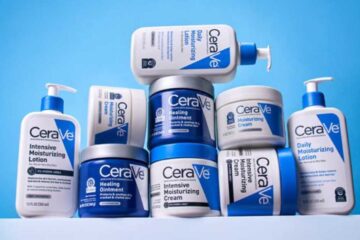
Does your moisturizer actually deliver what it promises, or are you layering potentially problematic ingredients onto your skin every single day? The CeraVe Moisturizing Cream Ingredients have sparked thousands of questions from US consumers who want transparency before committing to a skincare staple. This cult-favorite moisturizer sits in bathrooms across America, but many users don’t know exactly what they’re applying or whether it’s truly safe for their specific skin concerns.
This comprehensive review breaks down every ingredient in the CeraVe moisturizer tub, answers pressing safety questions about pregnancy use and acne triggers, and examines the EWG rating that influences purchasing decisions. You’ll discover whether this dermatologist-recommended cream aligns with your skincare goals and health priorities, with clear guidance on who should use it and who might want to skip it.
Complete Breakdown: CeraVe Moisturizing Cream Ingredients
The complete ingredient list for CeraVe moisturizing cream contains 24 components designed to hydrate and restore the skin barrier. The formula starts with water (aqua) as the base, followed by glycerin at an estimated 9% concentration, making it a powerhouse humectant that pulls moisture into your skin. Cetearyl alcohol and cetyl alcohol serve as emollients that create the cream’s smooth texture without the drying effects of traditional alcohols.
Key active ingredients include three essential ceramides (NP, AP, and EOP) that make up roughly 50% of the natural lipids between skin cells. These ceramides work alongside cholesterol and phytosphingosine to repair and strengthen your skin’s protective barrier, which is why dermatologists recommend this formula for compromised skin. Sodium hyaluronate (the salt form of hyaluronic acid) binds up to 1,000 times its weight in water, delivering the 24-hour hydration CeraVe promises through its patented MVE technology.
The CeraVe Moisturizing Cream Ingredients also include caprylic/capric triglyceride (derived from coconut oil) and petrolatum, which create an occlusive barrier that prevents water loss throughout the day. Dimethicone adds a silky feel and fills fine lines temporarily, while preservatives phenoxyethanol and ethylhexylglycerin keep the formula stable without parabens. The formula is fragrance-free, which reduces irritation risk for sensitive skin types common among US consumers.
Is CeraVe Moisturizing Cream Water-Based? (Formula Analysis)
Is CeraVe moisturizing cream water-based? Yes—water (listed as “aqua” or “eau”) appears as the very first ingredient, making this definitively a water-based moisturizer. Water-based formulas absorb faster than oil-based alternatives and feel lighter on the skin, which explains why users describe the cream as “fast-absorbing” despite its rich texture.
The formula combines water with a high humectancy rating of 9.6 out of 10, primarily from glycerin, and a moderate occlusivity rating of 4.3 out of 10 from ingredients like petrolatum and caprylic/capric triglyceride. This dual-action approach means the cream pulls moisture into your skin (humectant function) while simultaneously preventing that moisture from evaporating (occlusive function). The water base makes it suitable for normal to dry skin types who want maximum hydration without the heavy, greasy feel of oil-based formulas.
For US consumers comparing options at Target or Walmart, understanding that CeraVe daily moisturizing lotion ingredients create a water-based system helps explain why it works well under makeup and doesn’t leave the shiny residue that pure oil-based moisturizers create. The water-first formulation also allows ceramides and hyaluronic acid to penetrate more effectively than they would in an oil-dominant base.
People also read: CeraVe Moisturizing Cream vs Lotion Review: The Best Choice
The Acne Verdict: Can CeraVe Moisturizer Cause Breakouts?
Does CeraVe moisturizing cream cause acne? The answer is nuanced—while the formula is officially non-comedogenic (won’t clog pores), individual reactions vary based on skin sensitivity and specific trigger ingredients. CeraVe labels this product as non-comedogenic, and petrolatum in its pure USP-grade form is also non-comedogenic despite common misconceptions.
However, real-world user experiences tell a more complex story. Some ingredients may trigger fungal acne or sensitivity in certain individuals, with cetearyl alcohol identified as a potential fungal acne trigger. User reviews on folliculitis and acne-focused forums report breakouts in specific areas after using the cream, with some attributing reactions to phytosphingosine or the ceramide complex itself. Can CeraVe moisturizer cause acne for you specifically? That depends on your individual triggers and whether you’re prone to fungal acne (malassezia-related breakouts).
The fragrance-free, paraben-free formulation supports acne-prone skin by eliminating common irritants, and the ceramides help restore barrier function that’s often compromised by harsh acne treatments. For most US users with standard acne concerns, this moisturizer provides hydration without aggravating breakouts, but those with fungal acne or extreme sensitivity to fatty alcohols should patch-test first or consider CeraVe’s oil-control gel-cream alternative designed specifically for oily, acne-prone skin.
Is CeraVe Moisturizing Cream Pregnancy Safe?
Is CeraVe moisturizing cream pregnancy safe? According to pregnancy-focused skincare analysis, this product is not recommended during pregnancy due to potential contaminants in several ingredients. While none of the primary active ingredients are known teratogens, concerns arise from possible contamination risks rather than the ingredients themselves.
Specific concerns include ceteareth-20 (potential carcinogen contamination), petrolatum (risk of polycyclic aromatic hydrocarbons or PAHs), carbomer (possible benzene contamination), phenoxyethanol (ethylene oxide contamination risk), and disodium EDTA (formaldehyde contamination concerns). These contamination risks are theoretical and depend on manufacturing processes and ingredient sourcing, which vary by production batch. The question “is CeraVe moisturizer non comedogenic and pregnancy-safe?” requires weighing these contamination possibilities against the formula’s proven skin benefits.
For CeraVe moisturizing cream for pregnant individuals seeking absolute caution, pregnancy-safe alternatives exist that avoid these flagged ingredients entirely. US consumers can find pregnancy-vetted options at Sephora, Ulta, or through clean beauty retailers that screen for these specific concerns. If you’re currently pregnant and want to continue using cerave moisturizing cream for pregnancy, consult your obstetrician about your specific risk tolerance, as individual medical advice trumps general skincare guidance.
Understanding the EWG Rating for CeraVe Cream
The EWG CeraVe moisturizing cream rating varies by ingredient, with most components scoring in the low-hazard range (1-2 on the 1-10 scale) according to Environmental Working Group standards. Water, glycerin, cetearyl alcohol, caprylic/capric triglyceride, cetyl alcohol, and the ceramide complex all receive scores of 1, indicating minimal health concerns.
Several ingredients receive slightly elevated scores: dimethicone scores a 3, behentrimonium methosulfate scores a 4, and phenoxyethanol ranges from 2-4 depending on concentration and contamination concerns. Petrolatum scores between 1-4 based on purity grade, with cosmetic-grade versions considered safer than industrial-grade alternatives. The ewg CeraVe moisturizing cream analysis emphasizes that USP-grade (United States Pharmacopeia) petrolatum used in reputable cosmetics has a long safety history dating back to 1872.
For health-conscious US consumers who check EWG scores before purchasing at Whole Foods or natural retailers, this cream falls into a moderate-concern category rather than high-risk. The overall safety profile supports its dermatologist-recommended status, though individuals seeking the absolute lowest EWG scores across all ingredients may prefer formulas that eliminate petrolatum, phenoxyethanol, and ethoxylated ingredients like ceteareth-20.
Does CeraVe Contain Parabens? (Ingredient Deep Dive)
CeraVe Moisturizing Cream does not contain parabens—a significant selling point for the millions of US consumers who actively avoid this preservative class. Instead, the cerave moisturizer tub uses phenoxyethanol and ethylhexylglycerin as its preservation system, which has become the current industry standard for “paraben-free” formulations.
Phenoxyethanol is considered safe and gentle at concentrations up to 1% worldwide, with approval for use since around 1950. It works across a wide pH range (3-10) and has excellent thermal stability, making it more versatile than parabens in formulation. Ethylhexylglycerin boosts phenoxyethanol’s effectiveness while also functioning as a skin-conditioning agent and deodorant ingredient.
This paraben-free approach addresses consumer concerns about endocrine disruption, though scientific consensus on paraben safety in cosmetics remains mixed. For US shoppers scanning ingredient lists at CVS, Walgreens, or Amazon, the absence of parabens makes this cream compatible with “clean beauty” preferences without sacrificing the long shelf life and microbial safety that effective preservation provides.
Why Ceramide Preservation Matters for Your Skin Barrier
Ceramides make up approximately 50% of the lipid matrix between your skin cells, forming a “water-proof” protective layer that prevents moisture loss and environmental damage. The cerave cream moisturizing formula delivers three specific ceramide types (NP, AP, and EOP) in a patented ratio designed to mimic your skin’s natural composition.
Ceramide EOP (previously called Ceramide 1) plays a unique binding role in skin’s lipid layers and serves as a storage area for linoleic acid, an essential fatty acid critical for barrier repair. When combined with cholesterol (25% of natural skin lipids) and fatty acids, these ceramides work synergistically to restore compromised barriers caused by harsh weather, over-cleansing, or skin conditions like eczema. Research demonstrates that topically applied ceramides—especially in specific ratios with cholesterol—effectively hydrate skin and repair barrier damage.
CeraVe’s MVE (MultiVesicular Emulsion) delivery technology gradually releases these ceramides throughout 24 hours rather than delivering them all at once. This controlled-release system maintains consistent ceramide levels on your skin surface, which is particularly beneficial for US consumers in dry climates like Arizona or Colorado, or those facing harsh winter conditions in the Northeast and Midwest. Without adequate ceramide preservation, your skin experiences increased water loss, making it more vulnerable to irritation, sensitivity, and premature aging.
Is CeraVe Moisturizing Cream Safe for Sensitive Skin?
For most US consumers with sensitive skin, CeraVe Moisturizing Cream offers a safe, effective option backed by dermatologist recommendations and decades of use. The fragrance-free, non-comedogenic formula eliminates two major irritation triggers, while the ceramide-rich composition actively repairs the compromised barriers common in sensitive skin types.
The cream’s safety profile supports use on both face and body for adults and children, with particular benefits for those managing eczema, psoriasis, or reactive skin conditions. However, certain individuals should approach with caution: those with fungal acne may react to fatty alcohols, pregnant individuals might prefer alternatives without contamination-risk ingredients, and anyone with extreme chemical sensitivities should note the presence of phenoxyethanol and ethoxylated emulsifiers.
Patch-test on a small area before full-face application if you have a history of mysterious breakouts or product sensitivities. Apply to damp skin immediately after showering to maximize the humectant benefits of glycerin and hyaluronic acid, locking in existing moisture rather than relying solely on the cream to add hydration. For sensitive skin in the $15-25 price range at major US retailers like Target, Walmart, and Amazon, this cream delivers clinical-grade ingredients without the luxury markup, making it accessible for consistent long-term use that barrier repair requires.
Conclusion
The CeraVe Moisturizing Cream Ingredients deliver a scientifically-backed combination of barrier-repairing ceramides, intense humectants, and occlusive agents that address dry, compromised skin without breaking the bank. For US consumers seeking dermatologist-recommended hydration at drugstore prices, this formula provides clinical-grade actives—three essential ceramides, hyaluronic acid, and cholesterol—in a fragrance-free, paraben-free base suitable for sensitive skin.
Your choice should factor in individual concerns: the cream excels for barrier repair and dry skin management, but pregnancy safety questions and potential fungal acne triggers mean it’s not universally appropriate for everyone. Understanding exactly what you’re putting on your skin—and why each ingredient matters—empowers you to make informed decisions aligned with your health priorities and skincare goals.
Ready to strengthen your skin barrier with targeted ceramide therapy? Start with a patch test on your inner arm for 48 hours, then gradually introduce CeraVe Moisturizing Cream into your routine by applying to damp skin morning and night for maximum absorption and lasting hydration results.
People also read: Best Trusted Anti Aging Cream to Look Younger Naturally
Frequently Asked Questions
Is CeraVe Moisturizing Cream good for all skin types?
CeraVe Moisturizing Cream works best for normal to very dry skin types, though its water-based formula makes it versatile enough for most users. Oily skin types might find it too heavy and should consider CeraVe’s oil-control gel-cream instead, while those with fungal acne should patch-test due to potential fatty alcohol triggers.
How long does the CeraVe moisturizer tub last with daily use?
The standard 16 oz (453g) tub typically lasts 2-4 months with daily face and body application, though usage varies based on how much skin area you’re covering. Many US users report the large size offers excellent value compared to smaller luxury moisturizer packages, especially at the $15-25 retail price point.
Can I use CeraVe Moisturizing Cream under makeup?
Yes, the cream absorbs within a few minutes and creates a smooth base for foundation, though it’s not formulated as a makeup primer. Allow 5-10 minutes for full absorption before applying makeup, and use a small amount to avoid any slippery residue that might prevent foundation from gripping properly.
What’s the difference between CeraVe Moisturizing Cream and Lotion?
The cream contains petrolatum for extra occlusive protection and has a thicker consistency, while the lotion has a lighter texture without petrolatum. Both contain the same three ceramides and hyaluronic acid, but CeraVe daily moisturizing lotion ingredients create a less occlusive formula better suited for normal skin or humid climates.
Does CeraVe Moisturizing Cream expire?
Yes, most CeraVe products have a shelf life of 2-3 years unopened and should be used within 12 months of opening for optimal efficacy and safety. Check the period-after-opening (PAO) symbol on your cerave moisturizer tub for specific guidance, and discard if you notice any changes in smell, texture, or color that indicate degradation or contamination.
Does CeraVe Contain Alcohol?
Yes, CeraVe products contain fatty alcohols (cetyl alcohol, cetearyl alcohol, and stearyl alcohol), but NO drying alcohols like denatured alcohol or ethanol. Fatty alcohols are beneficial ingredients that moisturize and condition the skin.