
Introduction
If you’ve ever wondered whether wireless chargers are damaging your smartphone battery, you’re not alone. Millions of Americans use wireless chargers daily, yet myths about their safety persist. The short answer: is wireless charger bad for battery? Modern wireless chargers are generally safe and won’t damage your phone battery when used correctly. However, understanding how wireless charging works and following best practices can help you maximize your device’s lifespan and maintain peak performance.
Wireless charging has become a staple in American households, from nightstands to car dashboards and office desks. Yet confusion surrounds this convenient technology—especially regarding battery health. This guide addresses your top questions about wireless charger safety, explains the science behind how does wireless charger work, and provides actionable advice to keep your battery in excellent condition for years to come.
The key to safe wireless charging lies in understanding what actually happens when your phone sits on a charging pad. With proper knowledge and the right equipment, you can enjoy the convenience of wireless charging without worry. Whether you’re using a Qi wireless charging pad or considering upgrading to a faster model, this article covers everything you need to know about battery safety and wireless charging best practices.
How Does Wireless Charger Work?
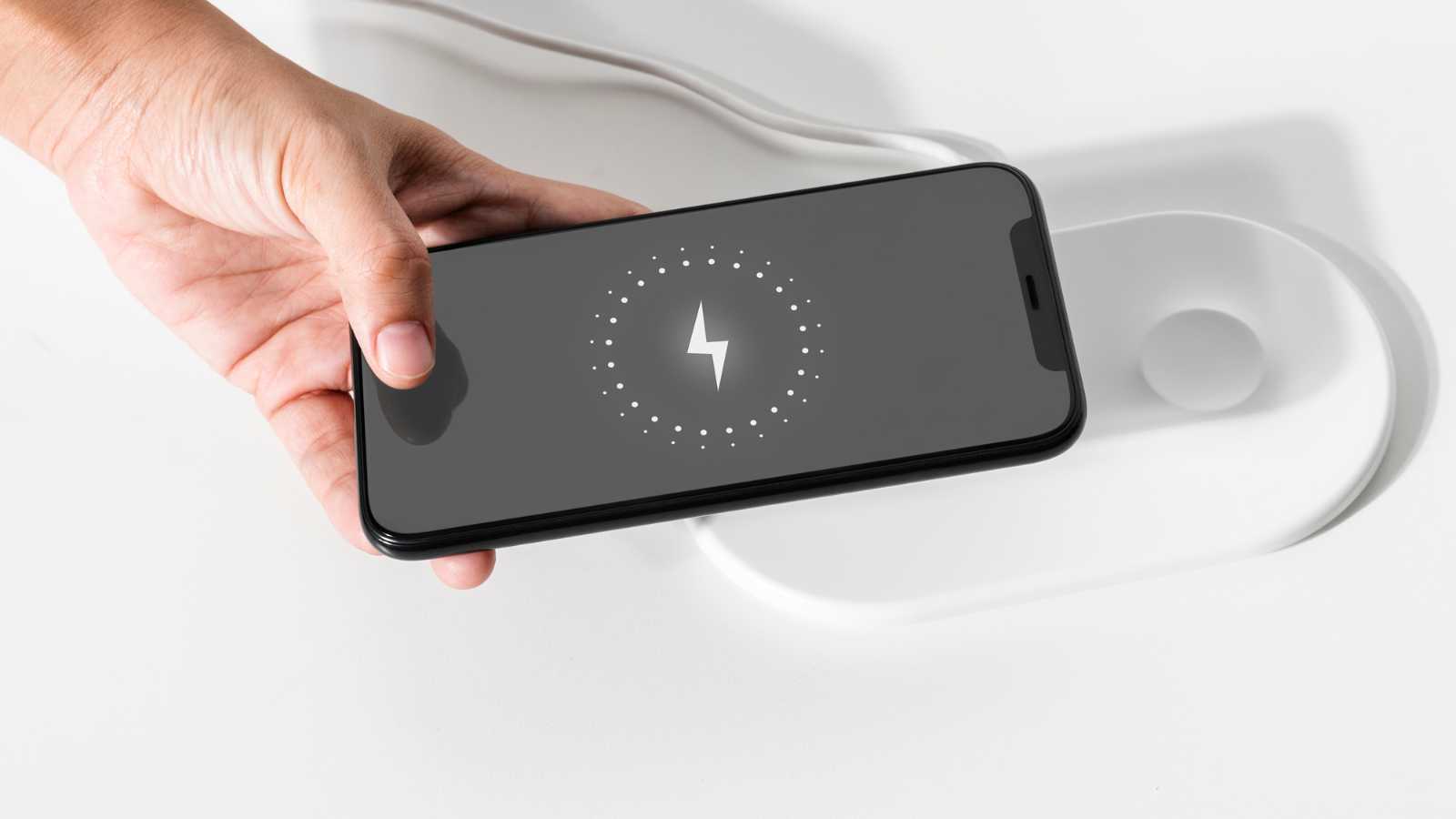
Understanding the mechanics of wireless charging can ease concerns about battery damage. Wireless chargers work through electromagnetic induction—a proven technology that’s been used safely in consumer devices for decades. When you place your phone on a wireless charger, two coils (one in your phone and one in the charger) create a magnetic field that transfers energy wirelessly.
The charging process is remarkably simple. Your phone’s receiver coil picks up electromagnetic energy from the charger’s transmitter coil, converting it into electrical current that charges your battery. This happens without any physical connection, which is why how do you use a wireless charger is straightforward: simply place your phone on the pad and it begins charging automatically.
Different wireless chargers operate at various power levels, measured in watts. Standard Qi wireless charging pads typically deliver 5 to 15 watts, while newer fast-charging models can reach 25 watts or higher. The wattage determines how quickly your phone charges, but it doesn’t inherently harm your battery—modern phones are designed to handle these power levels safely.
Does Wireless Charging Damage the Battery?
This is the million-dollar question for many smartphone users. The straightforward answer: does wireless charging damage the battery? Not in the way most people fear. Wireless charging doesn’t directly damage your battery any more than wired charging does. Modern smartphone batteries are engineered to handle both charging methods without degradation from the charging method itself.
Your phone’s battery naturally degrades over time through normal use and charge cycles—this is inevitable for lithium-ion batteries. Whether you charge wirelessly or with a cable, the degradation rate is essentially identical. What actually stresses batteries more is extreme heat, overcharging, deep discharges, and fast charging at high temperatures.
The real concern with some wireless chargers isn’t the charging itself—it’s heat generation. If a low-quality wireless charger produces excessive heat during charging, that heat can accelerate battery degradation. This is why choosing a reputable, Qi-certified charger is important. Premium wireless chargers include safety features that regulate temperature and prevent overcharging, protecting your battery.
Heat and Battery Health: What You Need to Know
Heat is the primary enemy of battery longevity, whether you’re using wireless or wired charging. Batteries perform optimally at moderate temperatures and degrade faster when exposed to sustained heat. Wireless chargers can generate heat during the charging process, especially older or lower-quality models, but modern chargers are designed to minimize this problem.
High-quality wireless chargers include built-in thermal management systems that monitor temperature and slow charging speeds if heat accumulates. This protective feature ensures your battery stays safe even during extended charging sessions. Many premium chargers also use advanced materials that dissipate heat more efficiently than budget alternatives.
To minimize heat during wireless charging, keep your phone’s environment cool. Avoid charging in direct sunlight, inside a car on a hot day, or in rooms without air conditioning. Remove any thick cases or covers during charging if you notice the phone getting warm. Taking these simple steps ensures wireless charging poses virtually no risk to your battery health.
What Is Qi Wireless Charging and Why It Matters
Qi wireless charging is an international standard that ensures compatibility and safety across different brands and chargers. Developed by the Wireless Power Consortium, Qi certification guarantees that both your charger and phone meet strict safety and efficiency standards. Most major smartphone manufacturers, including Apple and Samsung, use Qi technology in their devices.
When a wireless charger displays “Qi-certified,” it means the device has undergone rigorous testing for safety, efficiency, and electromagnetic emissions. This certification is your assurance that the charger won’t harm your device or battery. Non-certified chargers may lack these safety features, making Qi certification an important factor when purchasing a wireless charger.
The Qi standard has multiple power classes, from the basic 5W standard charging to advanced 15W, 25W, and higher standards. Regardless of the power class, all Qi-certified chargers maintain the same safety protocols that protect your battery. This universal standard makes it easy to find compatible, safe wireless chargers from various manufacturers.
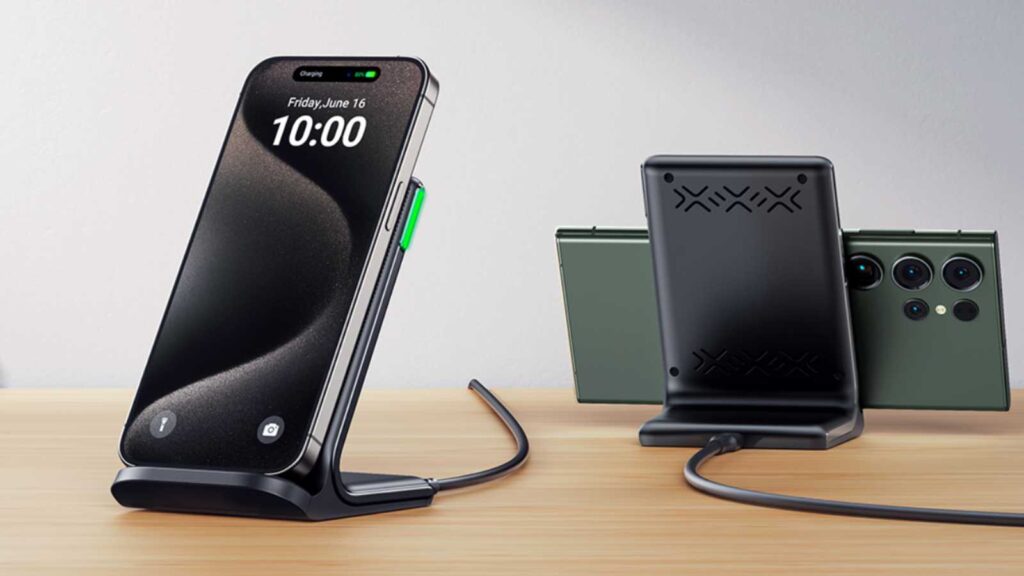
Qi Certified Wireless Charger
Does Wireless Charging Work With a Case?
One of the most common questions about wireless charging is whether you need to remove your phone case. Does wireless charging work with a case? The answer depends on the case thickness and material. Most standard phone cases work perfectly fine with wireless chargers—electromagnetic waves pass through most plastic and leather materials without issue.
However, wireless charger for thick cases presents a potential problem. If your case is thicker than 3-4mm or contains metal components, it may interfere with charging or reduce efficiency. Metal objects block electromagnetic fields, which is why cases with metal reinforcements, magnetic flaps, or embedded magnets can cause charging to fail or slow dramatically.
To test whether your case works with wireless charging, simply place your phone on the charger. If it recognizes the device and begins charging without issues, you’re good to go. If it doesn’t recognize the phone or charges extremely slowly, your case may be too thick. In that situation, either remove the case while charging or consider purchasing a thinner case designed specifically for wireless charging compatibility.
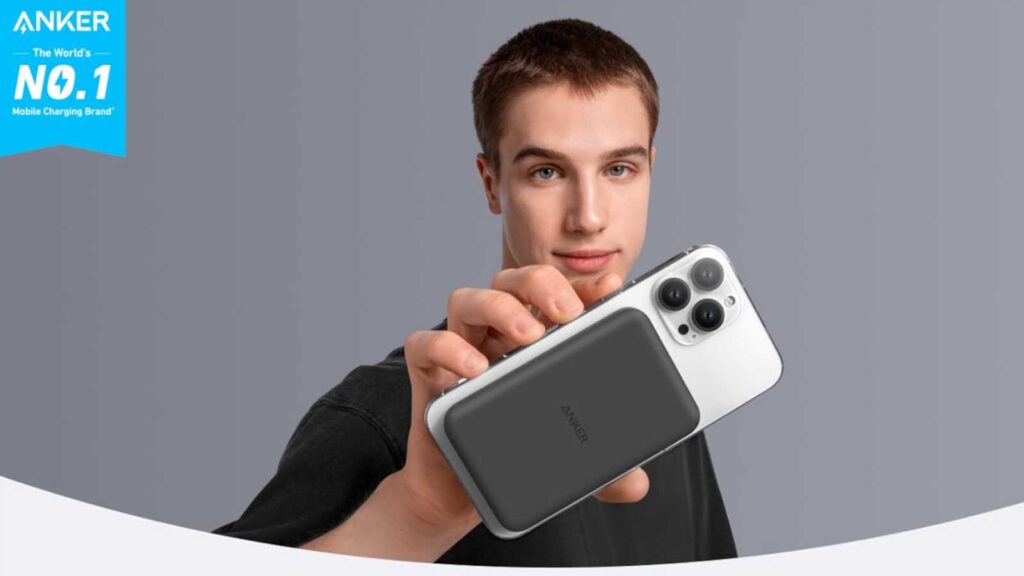
Magnetic Wireless Portable Charger
iPhone Case Wireless Charger Compatibility
For iPhone users, wireless charging compatibility depends on your phone model and case choice. All newer iPhones support Qi wireless charging, making them fully compatible with standard wireless chargers. However, iPhone case wireless charger compatibility can be affected by case thickness and materials.
Apple’s official iPhone cases are engineered to work seamlessly with wireless chargers, as are most third-party cases from reputable manufacturers. These cases typically use thin plastic or silicone materials that don’t interfere with electromagnetic transmission. If you own an iPhone and use a quality case from a recognized brand, you can confidently use wireless charging without removing your case.
The key is choosing an iPhone case wireless charger design that balances protection with compatibility. Slim cases and those made from non-magnetic materials work best. If you use a heavy-duty protective case or wallet case, you might experience slower charging speeds or need to remove the case during charging sessions. Testing your specific case with a wireless charger takes just seconds and quickly answers whether your setup works.
Understanding Dual Wireless Chargers
A dual wireless charger is a convenient solution for households with multiple devices. These chargers feature two charging pads that allow you to charge two phones, or a phone and earbuds, simultaneously. Dual wireless charger models have become increasingly popular as people accumulate multiple smart devices.
The advantage of a dual wireless charger isn’t just convenience—it’s also about space and organization. Instead of needing two separate chargers cluttering your nightstand or desk, a single dual-pad charger handles multiple devices. Most quality dual wireless chargers maintain the same safety standards as single-pad chargers, with individual thermal management for each charging area.
When selecting a dual wireless charger, look for models with adequate cooling and proper spacing between pads to prevent interference. High-end options include LED indicators showing charging status for each device, making it easy to confirm both phones are charging properly. For families or couples, a dual wireless charger is often more cost-effective than purchasing two separate units.
Why Choose Premium Wireless Chargers?
Budget wireless chargers might seem like a smart financial move, but investing in a premium, Qi-certified charger pays dividends in safety and longevity. Premium wireless chargers include advanced features that protect your battery and provide faster charging speeds. The difference in price typically amounts to $10–$30 more than budget alternatives, but the battery protection and reliability are worth the investment.
High-quality wireless chargers feature better heat dissipation technology, more accurate power delivery, and stronger electromagnetic efficiency. They charge your phone faster without generating excessive heat, meaning your battery stays cooler and degrades more slowly. Additionally, premium chargers are built with durable materials and components that last for years without performance degradation.
When you purchase a wireless charger, think of it as a long-term investment in your phone’s health. A $40–$50 quality charger protecting a $800+ smartphone is excellent insurance against premature battery failure. Over a 3–5 year period, that charger will have paid for itself through extended battery life and consistent performance.
Best Practices for Wireless Charging Battery Health
Implementing simple best practices ensures your battery stays healthy while using wireless chargers. First, avoid charging your phone to 100% regularly. Many experts recommend keeping your battery between 20% and 80% for optimal longevity. While occasional full charges won’t harm your battery, consistently charging to 100% accelerates wear.
Second, don’t charge overnight if possible. Modern phones include trickle-charging features that prevent overcharging damage, but keeping your battery at 100% for hours is stressful. If you must charge overnight, use a slower charger that reduces power delivery once your phone reaches full battery.
Third, keep your phone cool while charging. Remove your phone from direct sunlight, avoid charging in hot vehicles or enclosed spaces, and ensure adequate airflow around the charger. If your phone feels noticeably warm during wireless charging, remove it and let it cool before resuming. These simple steps combined with a quality wireless charger ensure your battery remains healthy for years.
Wireless Charger Safety Features Explained
Modern wireless chargers include multiple safety features protecting both your device and battery. Foreign object detection prevents the charger from activating if metal objects are placed on the pad, eliminating shock hazards. Temperature sensors monitor heat and adjust charging speed if temperatures exceed safe thresholds. Overvoltage protection prevents electrical surges from damaging your device.
Smart power management systems in premium chargers optimize charging based on your phone model, battery condition, and environmental factors. These intelligent systems deliver the ideal power level for your specific device, maximizing charging speed while minimizing stress on the battery. This level of sophistication is standard in Qi-certified chargers but absent in budget alternatives.
When evaluating a wireless charger, look for certifications beyond basic Qi approval. FCC certification, UL certification, and manufacturer safety guarantees all indicate a charger designed with safety as a priority. These certifications require rigorous testing and ongoing quality control, providing peace of mind that your investment is protected.
Qi Certified Wireless Charging Stand
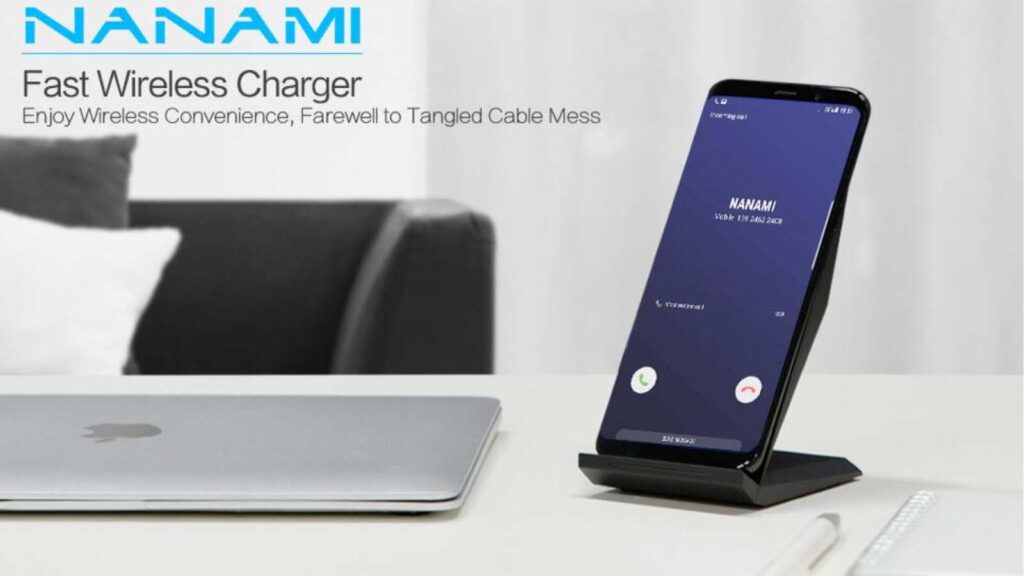
Best Option: Premium Wireless Charging Station for Multi-Device Charging
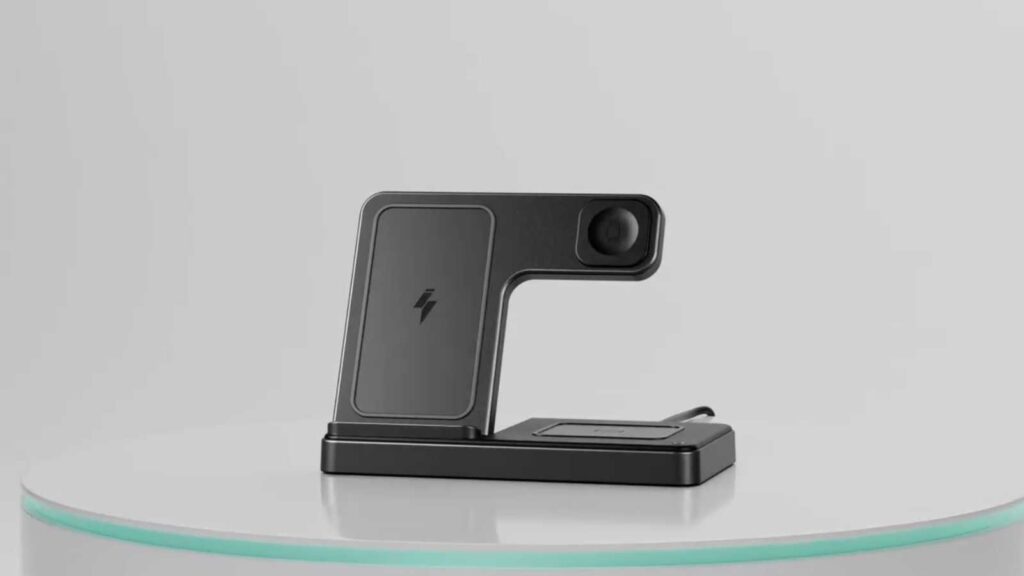
If you’re looking to consolidate your charging setup while protecting your battery, consider a dedicated wireless charging station. These platforms provide organized charging for multiple devices in one compact form factor, combining safety with convenience. A high-quality wireless charging station features individual charging areas with separate thermal management, ensuring each device receives optimal charging conditions.
Wireless charging stations with design appeal can enhance your nightstand or desk aesthetic while keeping cables out of sight. Premium models include features like LED lighting, adjustable angles, and non-slip surfaces that prevent phones from sliding. For anyone with multiple Apple devices or a mix of Android and Apple phones, a quality charging station eliminates cable clutter and provides reliable, battery-safe charging.
The investment in a quality wireless charging station typically pays for itself through extended battery life and the convenience of having all your devices charged simultaneously. With proper thermal management and Qi certification, these stations pose zero risk to your battery while providing the ultimate in charging organization and safety. Learn more about available options that fit your specific needs and device lineup.
People also read: Top Rated 5000 mAh Power Banks for Travel and Daily Use
Premium Wireless Charging Station
Comparing Wired vs. Wireless Charging for Battery Health
Both wired and wireless charging stress your battery in nearly identical ways when implemented properly. The charging method itself doesn’t determine battery longevity—temperature, charge cycles, and charging speed matter far more. Modern wired chargers and wireless chargers deliver energy to your battery at comparable efficiency levels, with minimal difference in overall battery wear.
The real advantage of wireless charging lies in convenience and flexibility. You can charge your phone without plugging and unplugging cables, reducing wear on the charging port. This is particularly valuable for older phones or those with fragile charging ports. Wireless charging also eliminates the risk of accidental liquid damage to your charging port, which is a common smartphone failure point.
Wireless charging is slightly less efficient than wired charging—typically 70–80% efficient compared to 90%+ for wired chargers. This efficiency difference means charging takes slightly longer wirelessly, but it doesn’t translate to additional battery stress. The slight efficiency loss converts to heat, which is why thermal management matters. With a quality charger, the minimal efficiency difference is negligible for battery health.
How to Extend Battery Life Beyond Charging Method
While your charging method matters, numerous other factors significantly impact battery longevity. Avoid exposing your phone to extreme temperatures—store and use your phone in environments between 50°F and 95°F. Never leave your phone in a hot car or in direct sunlight for extended periods. These temperature extremes damage batteries far more than either wireless or wired charging.
Manage your software thoughtfully. Background apps consuming power force your battery to work harder, accelerating degradation. Regularly update your phone’s operating system, close unnecessary apps, and disable location services when not needed. These simple practices reduce the overall stress on your battery throughout the day.
Be mindful of your charging habits. Avoid letting your battery drain completely before charging, and aim to keep your phone between 20% and 80% battery whenever possible. Fast charging is convenient but harder on batteries than standard charging—reserve fast charging for emergencies. Combined with a quality wireless charger and proper thermal management, these practices ensure your battery remains healthy for 3–5 years of regular use.
Technology Advances in Wireless Charging Safety
Wireless charging technology continues to improve, with new safety features and efficiency gains emerging regularly. Adaptive charging is one recent advancement where your charger learns your charging patterns and adjusts power delivery accordingly. Your phone might charge quickly to 80% when you first place it on the pad, then slow dramatically as it approaches full capacity, minimizing battery stress.
Multi-coil charging technology improves efficiency and reduces heat generation by distributing power across multiple charging areas. This advancement allows for faster charging speeds without the thermal stress associated with single-coil chargers. Many new wireless chargers incorporate this technology, providing the speed benefits of wired charging with wireless convenience.
Materials science innovations are enabling heat-dissipating materials that keep both your phone and charger cooler during operation. Graphene coatings, ceramic thermal barriers, and improved electromagnetic designs all contribute to safer, more efficient wireless charging. These technological advances mean that wireless chargers today are substantially safer than models from just five years ago.
FAQs:
Can wireless chargers permanently damage my battery?
No. Wireless chargers designed for your device won’t cause permanent damage to your battery. Modern phone batteries are engineered to handle wireless charging safely. However, using a damaged or non-certified charger with excessive heat output could accelerate battery degradation over time. Always choose Qi-certified chargers from reputable manufacturers.
How long can I safely leave my phone on a wireless charger?
Once your phone reaches 100% battery, most modern phones and chargers implement trickle-charging that prevents overcharging damage. However, keeping your battery at 100% for extended periods is stressful. Ideally, remove your phone once fully charged or use a charger with scheduled charging features that turn off after reaching full capacity.
Does wireless charging work if my phone is too hot?
Most modern phones include thermal protection that pauses charging if the device exceeds safe temperature thresholds. If your phone is too hot, charging will stop automatically to prevent damage. Remove your phone from the charger, let it cool in a well-ventilated area, and resume charging once temperatures normalize.
Is faster wireless charging worse for my battery?
Faster wireless charging stresses your battery slightly more than slower charging, but modern phones are designed to handle it safely. The difference in battery wear between 5W and 25W wireless charging is minimal when proper thermal management is in place. However, consistently fast charging will degrade your battery marginally faster than slow charging over years of use.
What’s the difference between Qi-certified and generic wireless chargers?
Qi-certified chargers meet strict international safety and efficiency standards. They include safety features like temperature monitoring, overvoltage protection, and foreign object detection. Generic chargers may lack these protections and could pose safety risks or damage your device. Always purchase Qi-certified chargers to ensure your phone’s safety and optimal charging performance.
Conclusion
Is wireless charger bad for battery? The evidence is clear: when you use a quality, Qi-certified wireless charger with proper care, your battery remains as safe as it would with wired charging. Wireless charging technology is mature, thoroughly tested, and widely trusted by manufacturers worldwide. The convenience of wireless charging combined with modern safety features makes it an excellent choice for smartphone owners who prioritize battery health.
The key takeaway is this: your battery’s longevity depends far more on temperature management, charging habits, and overall device care than on whether you charge wirelessly or with a cable. By selecting a reputable wireless charger, keeping your phone cool during charging, and following best practices like avoiding constant 100% charges, you’ll maximize your battery’s lifespan and enjoy years of reliable smartphone performance.
Don’t let myths about wireless charging hold you back from enjoying this convenient technology. Invest in a quality, Qi-certified wireless charger, implement the best practices outlined in this guide, and rest assured that your battery is safe. Whether you’re upgrading your home charging setup or consolidating cables with a multi-device charging station, wireless charging is a smart, safe choice for modern smartphone users.