Introduction
If you’re wondering why are my feet so dry even when I moisturize, you’re not alone. Millions of people struggle with chronically dry, cracked feet despite applying moisturizer regularly. The frustration is real—you follow the rules, yet your heels remain rough and uncomfortable. The problem isn’t always that you’re not trying hard enough; often, it’s that standard moisturizing routines miss key factors that actually cause dry feet. Understanding why is my skin so dry even when I moisturize on your feet requires looking beyond basic hydration and addressing the unique needs of this sensitive area.
Your feet are particularly vulnerable to dryness because they lack oil glands that naturally protect other parts of your body. Unlike your face, which has sebaceous glands keeping skin naturally hydrated, feet rely almost entirely on external moisturizers to maintain hydration. This means that using the best body moisturizer for extremely dry skin isn’t just helpful—it’s essential. Let’s explore the real reasons your feet might stay dry and discover proven solutions to restore softness and comfort.
Common Reasons Why Your Feet Stay Dry Despite Moisturizing
1. You’re Using the Wrong Type of Moisturizer
One major mistake people make is applying body lotion designed for arms or legs directly to feet. Regular body moisturizers simply aren’t formulated with enough hydrating power for foot skin. Why are my feet so dry even when I moisturize? Often, it’s because the moisturizer isn’t strong enough. Feet need heavier creams with active ingredients like urea, lactic acid, or ceramides—not lightweight lotions that evaporate quickly.
The best body moisturizer for extremely dry skin on feet typically contains stronger humectants and emollients than standard body lotions. Look for products with ceramides, glycerin, hyaluronic acid, or shea butter. These ingredients penetrate deeper and lock in moisture more effectively than products designed for less-stressed skin areas.
2. Inconsistent Application Schedule
You might think moisturizing once a week or whenever you remember would help, but that’s not enough. Dermatologists recommend applying foot cream at least twice daily—morning and night—for meaningful results. Your feet are constantly exposed to friction, pressure, and environmental stressors, so they need consistent hydration.
The best time to moisturize is right after showering or bathing, when skin is still slightly damp. Applying best moisturizer for redness and dry skin while feet are damp helps trap moisture in the skin’s upper layers. Without consistent application, your feet can’t build up the hydration reserves needed to stay soft and healthy.
3. Hot Water and Harsh Soaps Strip Your Skin’s Natural Oils
When you shower or bathe, hot water opens your skin’s pores and can strip away natural oils that protect your moisture barrier. This is especially problematic for feet, which already lack natural oil production. Harsh soaps and detergents make the problem worse by disrupting your skin’s pH balance and removing protective lipids.
If you use hot water on your feet, the skin becomes more dehydrated afterward, even if you apply moisturizer. Switching to lukewarm water and gentle, fragrance-free cleansers can help preserve your skin’s natural barrier and reduce the dryness cycle that makes why are my feet so dry even when I moisturize such a persistent problem.
4. Friction, Pressure, and Footwear Issues
Daily activities like walking, standing for long periods, and wearing tight or poorly-fitting shoes create constant pressure and friction on your feet. This mechanical stress causes skin to thicken as a protective response, leading to calluses and cracked heels. Ill-fitting shoes that rub against your heels or squeeze your toes can particularly accelerate dryness and cracking.
Additionally, non-breathable shoe materials trap heat and humidity, causing your feet to sweat and then dry out rapidly as the moisture evaporates. Over time, this cycle leaves feet parched. Choosing breathable, well-fitting shoes and avoiding walking barefoot on hard surfaces can significantly reduce the drying effects of daily pressure.
5. Lack of Exfoliation
Dead skin buildup prevents moisturizers from penetrating deeply. If you never exfoliate, your feet accumulate layers of dead skin cells that form a barrier between your moisturizer and living skin. This means why is my skin so dry even when I moisturize can actually be answered by looking at what’s blocking the moisture: dead skin.
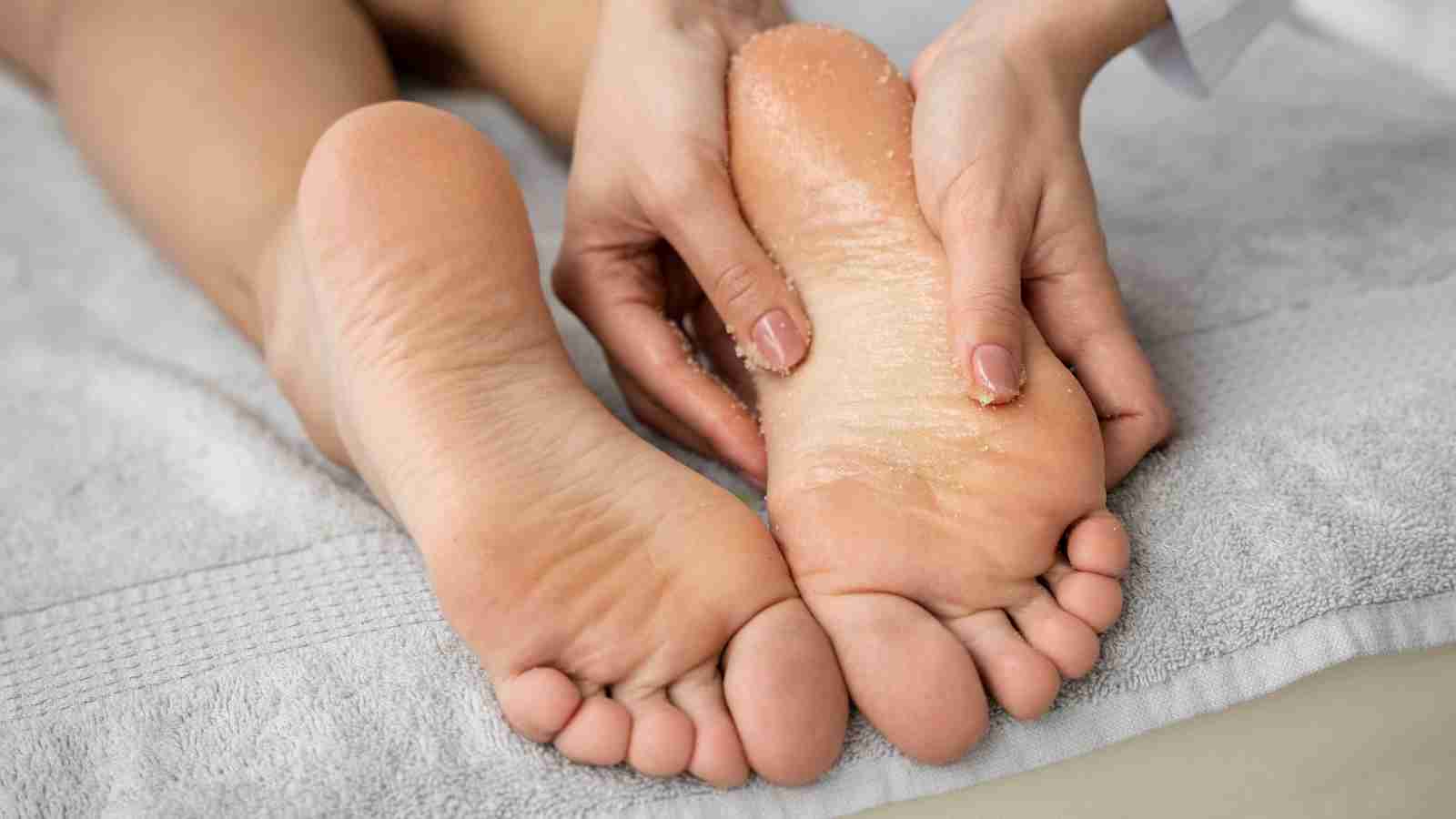
Once a week, gently exfoliate your feet with a pumice stone, foot file, or a gentle chemical exfoliant. This removes dead skin, allows better product absorption, and dramatically improves the effectiveness of your moisturizing routine. After exfoliation, apply your moisturizer immediately to lock in hydration into freshly-prepped skin.
6. Environmental Factors: Climate and Humidity
Dry climates and winter weather dramatically increase skin dryness. When humidity levels drop, moisture naturally evaporates from your skin faster. If you live in a dry climate or experience harsh winters, your feet are under constant environmental stress. Air conditioning and heating systems also reduce indoor humidity, adding to the problem year-round.
Using a best moisturizer for winter for face and feet during cold months isn’t optional for those with naturally dry skin. Products specifically formulated for winter or dry climates often contain richer emollients designed to withstand harsh conditions.
7. Underlying Medical Conditions or Nutritional Deficiencies
Sometimes dry feet persist despite best efforts because of underlying health issues. Thyroid disorders, eczema, psoriasis, and diabetes can all cause severe skin dryness. Vitamin and mineral deficiencies—particularly vitamin D, vitamin A, niacin, zinc, and iron—can also impair your skin’s natural hydration and barrier function.
Essential fatty acid deficiency is particularly common in people with chronically dry skin. If your dry feet don’t improve with consistent moisturizing and lifestyle changes after a few weeks, consult a dermatologist or healthcare provider to rule out underlying conditions.
Why Your Skin Barrier Is Critical for Foot Hydration
Your skin barrier is a protective layer made up of ceramides, cholesterol, and fatty acids. When this barrier is compromised, water evaporates from deeper skin layers, leaving feet dry and irritated. This is why simple hydration alone isn’t enough—you also need products that restore and strengthen the skin barrier.
The best approach uses two-step moisturizing: first apply a hydrating product (humectant) to draw moisture into the skin, then layer an occlusive moisturizer (emollient) to lock that moisture in. This layering technique is far more effective than applying a single product, especially for feet dealing with best moisturizer for redness and dry skin issues.
Why La Roche-Posay Toleriane Double Repair Moisturizer Helps
La Roche-Posay Toleriane Double Repair Face Moisturizer is specifically designed to repair and maintain your skin barrier in just one hour. It contains ceramide-3, a key component of healthy skin barriers that helps restore and maintain your skin’s natural moisture barrier. The addition of niacinamide calms and soothes irritated skin, while glycerin provides immediate hydration by drawing moisture to the skin.
The moisturizer also features La Roche-Posay’s proprietary Prebiotic Thermal Water, which balances your skin’s microbiome and promotes a healthier skin barrier. This combination of barrier-repairing ingredients makes it effective for addressing why are my feet so dry even when I moisturize—it doesn’t just add temporary moisture; it fixes the underlying barrier damage causing persistent dryness.
Dermatologists appreciate this formula because it’s lightweight yet intensely hydrating, provides 48-hour hydration, and absorbs quickly without leaving a greasy residue. For feet prone to thickened, calloused skin, this lightweight texture ensures ingredients penetrate without sitting on the surface. If you’re struggling with persistent foot dryness and sensitivity, La Roche-Posay Toleriane Double Repair Moisturizer can restore comfort and hydration.
La Roche-Posay Moisturizer

Kiehl’s Ultra Facial Cream for All-Day Moisture
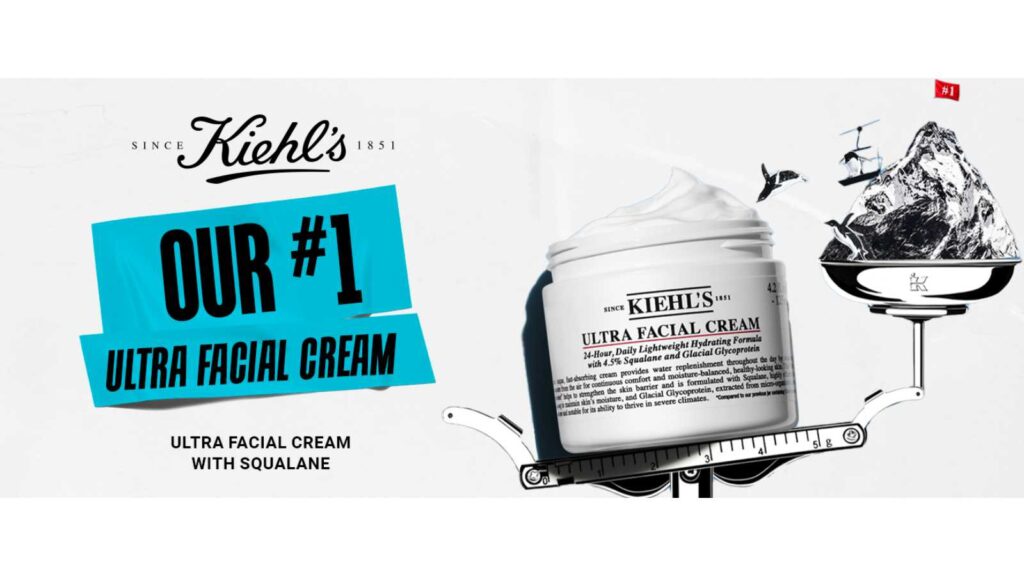
Kiehl’s Ultra Facial Cream with Squalane is a cult-classic moisturizer that addresses foot dryness through a unique blend of ingredients. Formulated with squalane (a lightweight emollient derived from plants) and glacial glycoprotein (known for extreme-weather protection), this cream provides 24-hour hydration while helping strengthen your skin’s natural moisture barrier.
What makes this moisturizer particularly useful for best moisturizer for extremely dry skin on feet is its non-greasy, lightweight texture that still delivers rich hydration. Unlike heavier creams that can feel uncomfortable on feet, Kiehl’s absorbs quickly while leaving skin noticeably softer and more resilient. The squalane helps lock in moisture, while glycerin continuously draws humidity to the skin throughout the day.
This dermatologist-approved formula is clinically proven to leave skin 2.3 times more hydrated, even in extremely dry areas. For those asking why are my feet so dry even when I moisturize, this cream offers a solution that actually works with your skin’s natural hydration system rather than against it. If you’re ready to upgrade from basic body lotion to a truly effective foot moisturizer, Kiehl’s is an excellent investment.
Kiehl’s Moisturizer
The Ordinary Natural Moisturizing Factors + HA: Budget-Friendly Barrier Support
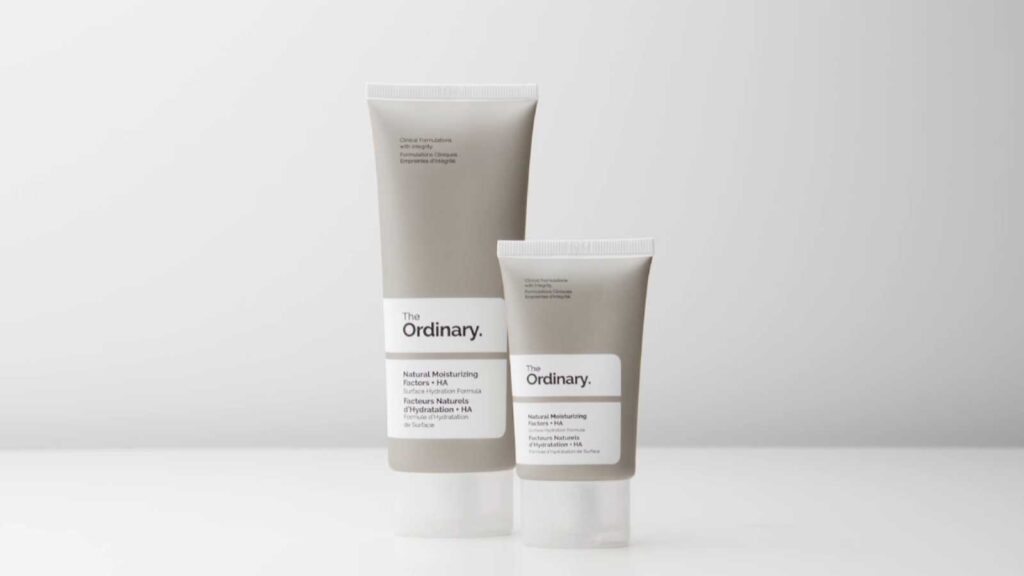
If you’re looking for an affordable yet effective option, The Ordinary Natural Moisturizing Factors + HA is a game-changer. This formula mimics your skin’s natural hydration system by combining ingredients naturally present in healthy skin: amino acids, fatty acids, triglycerides, urea, ceramides, phospholipids, glycerin, and hyaluronic acid.
What makes this moisturizer stand out for addressing why is my skin so dry even when I moisturize is its comprehensive approach to barrier repair. The 11 amino acids provide building blocks for healthy skin, while urea both hydrates and gently exfoliates dead skin buildup. Ceramide precursors help restore your skin barrier, and sodium hyaluronate (a smaller-molecule form of hyaluronic acid) penetrates deeper than standard hyaluronic acid.
The product is non-greasy, suitable for all skin types, and provides both immediate and lasting hydration. At a budget-friendly price point, it’s an excellent option for daily foot moisturizing. Apply it twice daily, layering it over a hydrating toner or mist for maximum effectiveness. If cost-effectiveness matters for your skincare routine, The Ordinary offers professional-grade barrier repair without the premium price tag.
The Ordinary Moisturizer
CeraVe Moisturizing Cream for Extremely Dry Feet
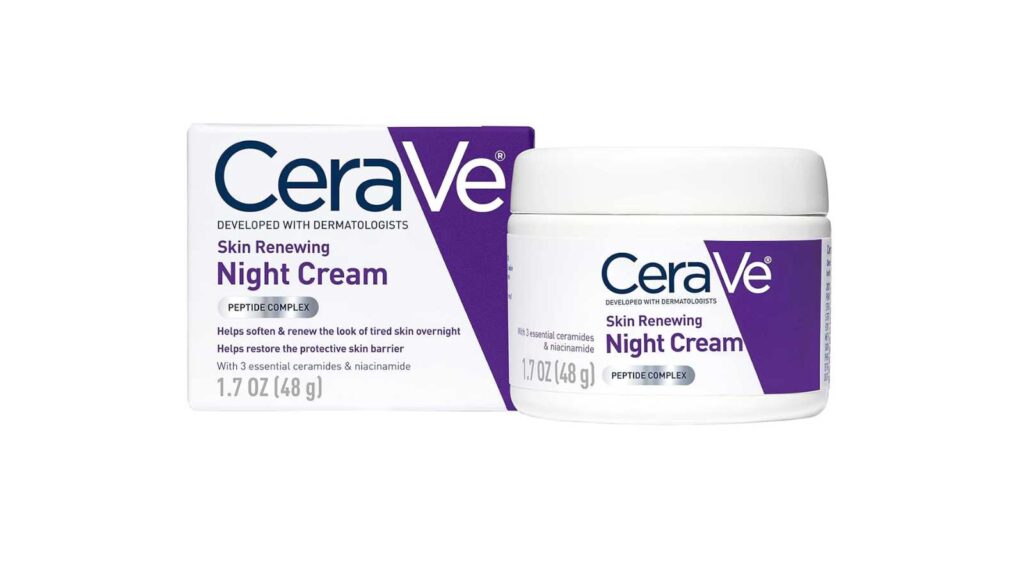
CeraVe Moisturizing Cream is dermatologist-developed specifically for extremely dry and compromised skin. It features three essential ceramides (the exact types found in healthy skin) combined with hyaluronic acid and the brand’s patented MVE Delivery Technology. This technology continuously releases moisturizing ingredients throughout the day and night, providing sustained 24-hour hydration.
For anyone asking why are my feet so dry even when I moisturize, this cream addresses the root cause: a weakened skin barrier. The ceramides restore and maintain your natural protective barrier, while hyaluronic acid draws moisture into the skin. The formula is fragrance-free, non-comedogenic, and won’t clog pores—important for feet where sweat buildup can become problematic.
The rich, creamy texture makes it ideal for nighttime foot care. Apply generously to feet before bed, put on cotton socks, and wake up to visibly softer, more hydrated skin. Many users report significant improvement within one to two weeks of consistent use, particularly when paired with gentle exfoliation. If you have best moisturizing bath soak for dry skin needs combined with daily cream application, CeraVe creates the foundation for transformation.
CeraVe Moisturizing Cream
The Complete Foot-Moisturizing Routine That Actually Works
Simply applying a single moisturizer once a day won’t fix chronically dry feet. Instead, follow this evidence-based routine:
Step 1: Cleanse Gently – Use lukewarm water (not hot) and a fragrance-free, gentle cleanser. Dry feet thoroughly, but leave them slightly damp.
Step 2: Exfoliate Weekly – Once per week, use a pumice stone or foot file to gently remove dead skin buildup. This allows moisturizers to penetrate deeper.
Step 3: Apply Hydrating Layer – While feet are still damp, apply a hydrating product like The Ordinary Natural Moisturizing Factors + HA or any moisturizer containing glycerin or hyaluronic acid.
Step 4: Lock In Moisture – Follow with a richer, occlusive cream like CeraVe Moisturizing Cream or Kiehl’s Ultra Facial Cream to seal in hydration.
Step 5: Wear Breathable Socks – For nighttime, wear cotton socks to maintain moisture without trapping heat or bacteria.
Frequency – Repeat this full routine at least twice daily: morning and night. Consistency is key for overcoming why are my feet so dry even when I moisturize.
People also read: Best Trusted Anti Aging Cream to Look Younger Naturally
Additional Strategies to Combat Persistent Foot Dryness
Stay Hydrated From Within
Drinking adequate water supports skin hydration from the inside out. Dehydration reduces your body’s ability to produce natural skin moisture and sweat production, making external dryness worse. Aim for at least 8-10 glasses of water daily, especially during hot weather or winter when heating systems reduce humidity.
Use a Humidifier in Dry Climates
If you live in a dry climate or use heating systems that reduce indoor humidity, a humidifier can help. Adding moisture to the air reduces the rate at which water evaporates from your skin, making your moisturizing efforts more effective.
Avoid Harsh Chemicals and Irritants
Avoid walking barefoot on chlorinated pools, as chlorine strips natural oils and dries skin. Similarly, avoid feet scrubs with large particles that can damage your skin barrier. Stick to gentle exfoliation methods like pumice stones or chemical exfoliants.
Choose Appropriate Footwear
Invest in breathable, well-fitting shoes that don’t put excessive pressure on your heels or toes. Avoid tight hosiery that restricts circulation or traps moisture. During winter, choose moisture-wicking socks that keep feet dry without creating a sweat environment.
Consider a Professional Pedicure
A professional foot care specialist can safely remove thick calluses and cracked skin buildup that prevents moisturizer absorption. This is particularly helpful if your feet are severely dry and your at-home routine isn’t working.
When to See a Dermatologist
If your dry feet don’t improve after four to six weeks of consistent, proper moisturizing and lifestyle changes, consult a dermatologist. Persistent dryness may indicate best moisturizer for rosacea dry skin needs or underlying conditions like thyroid disorders, eczema, psoriasis, or diabetes. A dermatologist can also recommend prescription-strength treatments for severe cases.
Frequently Asked Questions
Why are my feet so dry even when I moisturize twice daily?
The most common reasons are using lightweight body lotion instead of heavy foot cream, not exfoliating regularly to remove dead skin buildup, using hot water that strips natural oils, wearing poorly-fitting shoes that increase pressure and friction, or having an underlying medical condition. Try upgrading to a cream specifically formulated for extremely dry skin and ensure you’re exfoliating weekly for better product absorption.
What’s the best body moisturizer for extremely dry skin on feet?
Look for moisturizers containing ceramides, hyaluronic acid, glycerin, urea, or shea butter. Products like CeraVe Moisturizing Cream, La Roche-Posay Toleriane Double Repair, and Kiehl’s Ultra Facial Cream are all clinically proven to provide intense, long-lasting hydration. Choose a richer cream rather than a lotion, and apply it twice daily for best results.
How often should I moisturize my feet?
For best results, moisturize twice daily—morning and night. The ideal time is right after bathing, when skin is still slightly damp and most absorbent. Consistency is crucial; moisturizing sporadically won’t build the hydration reserves needed for lasting softness.
Can I use face moisturizer on my feet?
While some face moisturizers work on feet (particularly heavier formulations), they’re often too lightweight for foot skin, which lacks natural oil production and faces greater daily stress. Use a body or foot-specific cream that’s formulated with stronger hydrating and barrier-repairing ingredients. The best moisturizer for extremely dry skin on feet is specifically designed for that purpose.
Why are my feet still dry even after applying moisturizer for a week?
Feet need consistent care over several weeks to show improvement. If dead skin has accumulated, moisturizers can’t penetrate properly. Begin exfoliating gently, use a heavier cream formulation, ensure you’re applying to damp skin, and wait two to three weeks for noticeable results. If dryness persists, consult a dermatologist.
Conclusion
Understanding why are my feet so dry even when I moisturize requires looking beyond basic moisturizing and addressing the unique barriers to foot hydration. Your feet lack natural oil production, face constant pressure and friction, and are often exposed to harsh environmental conditions—all of which create perfect conditions for chronic dryness. The solution isn’t just finding a good moisturizer; it’s adopting a comprehensive approach that includes proper exfoliation, consistent application, barrier-repairing ingredients, and lifestyle adjustments.
By choosing the best body moisturizer for extremely dry skin and following a twice-daily routine with products like CeraVe, La Roche-Posay, Kiehl’s, or The Ordinary, you can finally overcome persistent foot dryness. Remember that consistency is more important than any single product. Apply your moisturizer to damp skin immediately after bathing, exfoliate weekly, stay hydrated, and wear breathable footwear. Within two to three weeks of dedicated care, you’ll notice softer, more comfortable feet.
If dryness persists despite proper care, consult a dermatologist to rule out underlying conditions. Your feet carry you through life—they deserve the same skincare attention you give your face. Stop wondering why is my skin so dry even when I moisturize and start experiencing the relief that comes with a proper foot hydration routine.