
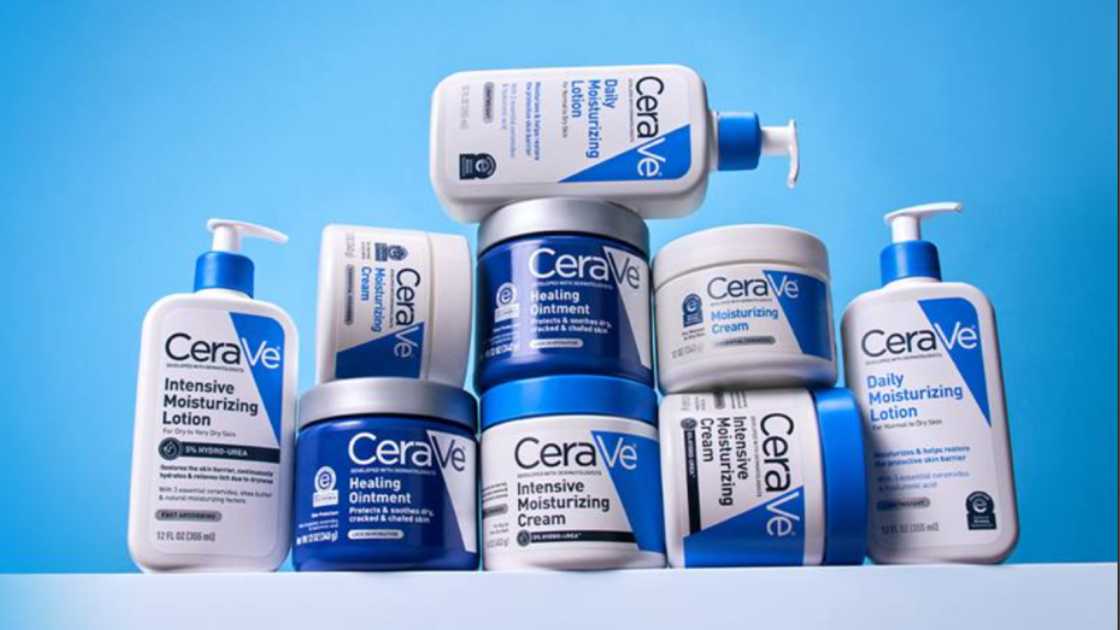
Choosing between CeraVe moisturizing cream vs lotion leaves many shoppers staring at drugstore shelves, uncertain which formula addresses their skin needs. Both products feature identical core ingredients, three essential ceramides, hyaluronic acid, and glycerin yet their textures and performance differ significantly. This guide breaks down the differences between CeraVe’s two bestsellers, reviews specialized formulas for specific concerns, and helps you build a personalized routine that delivers hydration without greasiness or dryness. Whether you battle flakiness, shine, or sensitivity, understanding these distinctions produces better results and eliminates wasted money on products that don’t match your skin type.
CeraVe Moisturizing Cream vs Lotion: What’s the Difference?
The primary distinction in the cerave moisturizing lotion vs cream comparison centers on texture and oil content. The moisturizing cream contains petrolatum (petroleum jelly), creating a richer barrier that locks moisture into very dry skin, while the lotion uses a lightweight, oil-free formula that absorbs faster without residue. Both formulas share 19 out of 24 ingredients and employ Multivesicular Emulsion (MVE) technology that releases ceramides over 24 hours, according to dermatologist Dr. Kiran Mian.
The cream’s thicker consistency comes from cetyl alcohol, a fatty alcohol functioning as an emollient, whereas the lotion contains cetearyl alcohol plus polysorbate-20 for lighter texture. Pricing remains identical at approximately $16-$19 for a 3-ounce container at retailers like Target, Walmart, and CVS. The cream typically comes in larger tub formats (up to 19 ounces for around $20), making it more economical for full-body application, while the lotion’s pump bottle offers convenient facial use.
When to Use the Lightweight Moisturizer Option
Morning routines and warmer months demand the cerave lightweight moisturizer approach that hydrates without heaviness. The Daily Moisturizing Lotion absorbs within seconds, leaving no greasy film that interferes with makeup application or causes midday shine. Those with naturally oily skin find this formula provides adequate moisture without triggering excess sebum production that clogs pores and contributes to breakouts.
Gym-goers and active individuals prefer the lotion before workouts since heavy creams trap sweat against skin and feel uncomfortable during exercise. Summer humidity combined with thick creams creates a suffocating sensation that many people find intolerable, making the water-based lotion formula more compatible with hot weather. The lotion also works better under sunscreen, allowing proper layering without product pilling or reduced SPF effectiveness that occurs when formulas don’t absorb completely before adding additional products.
Review: CeraVe PM Facial Moisturizing Lotion
The CeraVe PM moisturizer ingredients list includes niacinamide (vitamin B3) that calms redness and helps fade post-inflammatory hyperpigmentation while you sleep. This oil-free, non-comedogenic night cream weighs just 3 ounces and retails for $13-$17 at Ulta, Amazon, and Walmart. Unlike the regular moisturizing lotion, the PM formula specifically targets nighttime skin repair with added niacinamide at a concentration that reduces transepidermal water loss.
The ultra-lightweight gel-cream texture feels refreshing on application and layers beautifully with retinoids or prescription acne treatments without causing the dryness or irritation these active ingredients often trigger. MVE technology continually releases hydration throughout sleep when skin naturally repairs itself. Users report the pump dispenser requires 10-20 initial presses to activate, a minor inconvenience offset by the hygienic, air-free packaging that preserves ingredient stability better than jars.
Sun Protection: CeraVe AM Facial Moisturizing Lotion SPF50
The CeraVe AM facial moisturizing lotion SPF50 combines broad-spectrum mineral and chemical sunscreen filterszinc oxide, homosalate, octisalate, and octocrylene with moisturizing ceramides in a single step. This 2-in-1 formula costs $15-$19 for 3 ounces and blends easily into all skin tones without white cast, addressing a common complaint with mineral sunscreens. The lightweight texture absorbs quickly, leaving a matte finish that works under makeup without pilling.
Hybrid sunscreen formulations provide broader protection than purely mineral or chemical options alone, according to dermatology research. The formula contains niacinamide and hyaluronic acid alongside sun protection, making it suitable for normal to oily skin types that need moisture without greasiness. Application requires reapplication every two hours for continued sun protection, following guidelines from the American Academy of Dermatology. The pump bottle design ensures consistent dosingroughly a nickel-sized amount covers the average face adequately.
Exploring the SA Moisturizer for Rough Skin
CeraVe’s SA moisturizer line features salicylic acid (a beta-hydroxy acid) and lactic acid (an alpha-hydroxy acid) that chemically exfoliate dead skin cells causing roughness and bumps. The SA Cream retails for $16-$23 for 12 ounces at Target and CVS, while the lighter SA Lotion costs $13-$18 for 8 ounces. Both formulas target keratosis pilaris, those stubborn chicken-skin bumps on upper arms and thighs by dissolving the keratin plugs blocking hair follicles.
Salicylic acid penetrates oil-filled pores to exfoliate from within, while lactic acid works on the skin’s surface to smooth texture and improve moisture retention. The cream’s rich, velvety texture suits very dry body skin, whereas the lotion’s lightweight feel works better for larger areas requiring frequent application. Both contain the three essential ceramides, hyaluronic acid, and niacinamide found in other CeraVe products. Users should avoid using SA products on the face unless specifically instructed, as the body-strength formula may prove too harsh for delicate facial skin.
For Oily Skin: CeraVe Oil Control Gel-Cream
The CeraVe oil control moisturizing gel-cream reviews consistently praise its mattifying effect without the chalky dryness typical of oil-control products. Priced at $16-$19 for 3 ounces, this gel-cream contains silica and other powders that absorb surface oil throughout the day while ceramides, hyaluronic acid, and niacinamide maintain hydration. The non-greasy formula rebalances combination skin, preventing both excess oiliness and compensatory dryness that triggers more oil production.
Clinical self-assessments show skin appears less oily for up to 8 hours after application, with users reporting reduced pore appearance over time with consistent use. The lightweight gel-cream absorbs instantly, leaving a soft matte finish that serves as an excellent makeup base. Those with severe acne should note that the formula contains isopropyl myristate, which has a comedogenic rating of 3-5 and may clog pores in some individuals. Patch testing before full-face application helps identify potential sensitivities. The oil-free, fragrance-free, and non-comedogenic formula suits sensitive skin prone to redness or irritation.
Can You Layer Cream Over Lotion?
Layering the cerave cream moisturizing formula over lotion creates a moisture-locking system for extremely parched skin. Apply the lightweight lotion first, allowing 30-60 seconds for complete absorption, then seal with a thin layer of cream focusing on dry patches like cheeks, jawline, or forehead. This technique, called “slugging” when using heavier occlusives, prevents transepidermal water loss overnight without suffocating skin under excessive product.
Dermatologists recommend this layering approach during winter months when indoor heating strips moisture from skin, or when using prescription retinoids that cause flaking and sensitivity. The lotion delivers active hydrating ingredients deep into skin layers, while the cream’s petrolatum content creates a protective barrier preventing evaporation. Morning routines typically require only one product to avoid heaviness under makeup, but evening routines tolerate richer combinations. Those with acne-prone skin should limit cream application to dry areas only, avoiding the T-zone where excess occlusion may trigger breakouts.
Choosing the Right CeraVe for Your Skin Type
Normal to dry skin thrives with the CeraVe face moisturizer cream applied twice daily, providing continuous hydration that maintains comfortable, supple skin without tightness or flaking. Oily and combination types perform better with the Daily Moisturizing Lotion in summer, switching to cream only in winter or using the Oil Control Gel-Cream year-round for consistent shine management. Sensitive skin benefits from any fragrance-free CeraVe option, with the PM Lotion offering extra niacinamide to calm reactive skin.
Very dry or mature skin requires the richest option, the CeraVe moisturizing cream for very dry skin in the tub format applied liberally to the face and body after bathing when skin remains slightly damp. This practice traps water in the stratum corneum, amplifying the cream’s hydrating effects. Acne-prone individuals should prioritize oil-free lotions or the Oil Control Gel-Cream, reserving heavier creams for body use only. Seasonal adjustments make sense: lighter textures during humid months prevent clogged pores, while richer formulas combat cold-weather dehydration that compromises the skin barrier and triggers inflammation.
People also read: Cerave Daily Moisturizing Lotion Ingredients & Safety Review
Conclusion
Understanding the cerave moisturizing cream vs lotion distinction empowers you to select products matching your skin’s specific needs rather than settling for one-size-fits-all solutions. Texture, oil content, and formulation differences between these products produce dramatically different results depending on whether you battle dryness, oiliness, sensitivity, or combination concerns. The specialized optionsPM Lotion with niacinamide, AM Lotion with SPF50, SA formulas for rough texture, and Oil Control Gel-Cream for shine expand your ability to address multiple skin goals simultaneously.
Start by identifying your primary concern: intense dryness benefits from the cerave moisturizing cream vs lotion cream option, while oiliness or combination skin performs better with lightweight lotions or gel-cream formulas. Purchase travel sizes when trying new products to minimize waste if a formula doesn’t suit your skin. Pay attention to how your skin responds after one week. Proper hydration should eliminate tightness and flaking without causing breakouts, greasiness, or irritation. Visit retailers like Target, Walmart, CVS, or Ulta to compare textures in-store before committing to full-size purchases, or explore CeraVe’s official website for detailed ingredient information guiding informed decisions.
FAQs
Is CeraVe lotion or cream better for the face?
CeraVe Daily Moisturizing Lotion works better for most facial skin types due to its lightweight, non-greasy texture that absorbs quickly and layers well under sunscreen and makeup. The cream’s heavier formula may feel too rich for facial use unless you have very dry skin or apply it only at night.
Can I use CeraVe cream and lotion together?
Yes, layering the lotion under the cream creates an effective moisture-locking system for very dry skin. Apply the lotion first, wait 30-60 seconds for absorption, then seal with cream on areas needing extra hydration like cheeks or dry patches.
Does CeraVe moisturizing cream clog pores?
CeraVe Moisturizing Cream is labeled non-comedogenic, but it contains petrolatum which may trigger breakouts in acne-prone individuals. If you have oily or acne-prone skin, choose the oil-free Daily Moisturizing Lotion or Oil Control Gel-Cream instead.
What’s the difference between CeraVe PM and regular lotion?
CeraVe PM Facial Moisturizing Lotion contains added niacinamide to calm skin and reduce inflammation overnight, while the regular Daily Moisturizing Lotion focuses purely on hydration. Both share the same three essential ceramides and hyaluronic acid base formula.
Which CeraVe moisturizer is best for oily skin?
The CeraVe Oil Control Moisturizing Gel-Cream is specifically formulated for oily skin with silica-based oil-absorbing technology that provides shine control for up to 8 hours. Alternatively, the lightweight Daily Moisturizing Lotion offers hydration without adding excess oil.