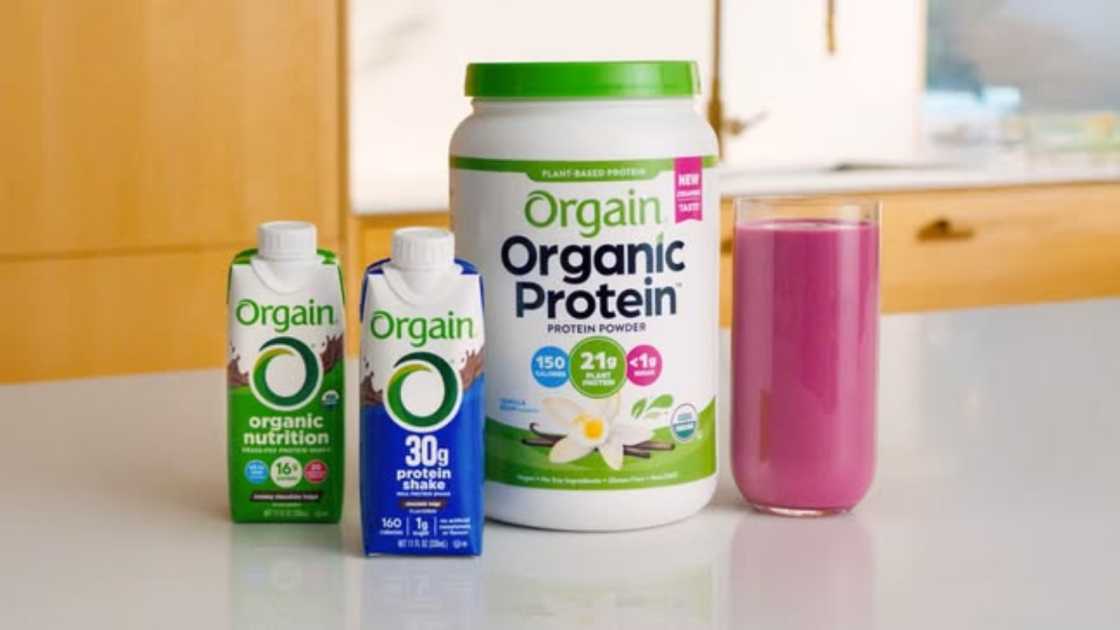
You grab your morning protein shake, confident you’re making a healthy choicebut what if that organic label doesn’t tell the whole story? Orgain Organic Plant-Based Protein Powder sits on shelves across America, promising clean nutrition from pea, brown rice, and chia seeds. With 21 grams of plant-based protein and only 150 calories per serving, is Orgain protein powder healthy enough to deserve its spot in your daily routine ? This in-depth Orgain organic protein powder review reveals its strengths in clean nutrition and certifications alongside heavy metal realities from lab tests.
Recent testing from Consumer Reports and the Clean Label Project raised questions that thousands of health-conscious Americans now want answered. From heavy metal contamination to pregnancy safety and weight loss effectiveness, this article examines the complete picture behind one of the nation’s most popular organic protein powders. You’ll discover lab-tested results, expert recommendations, and specific guidance on whether Orgain aligns with your wellness goals.Wondering “is Orgain bad for you”? Lab data shows moderate lead levels make it safe occasionally for adults, but risky daily or in pregnancy.
Understanding what you’re putting in your body matters especially when you’re investing in premium organic nutrition.
The Big Question: Is Orgain Protein Powder Healthy?
Orgain Organic Plant-Based Protein Powder offers legitimate nutritional benefits alongside documented safety concerns. The powder delivers a complete amino acid profile through its blend of organic pea protein, organic brown rice protein, and organic chia seed protein. Each serving provides 21 grams of protein with just 150 calories and 1 gram of sugar, making it nutritionally competitive in the plant-based protein market.
The brand holds multiple quality certifications including USDA Organic, NSF Certified for Sport, and Non-GMO verification.Consumer Reports petitioned the FDA in 2024 to establish enforceable heavy metal limits for protein powders, citing regulatory gaps that allow contamination without federal oversight. These credentials confirm Orgain meets standards for organic farming practices and banned substance testing but they don’t address heavy metal contamination. Is Orgain organic protein powder good for you despite testing positive for elevated lead levels? Consumer Reports ranked Orgain #12 out of 23 tested products, placing it in what independent analysts call the “contaminated” category.
The organic paradox creates confusion: USDA Organic certification tests for pesticides, GMOs, and prohibited substances but never screens for naturally occurring heavy metals absorbed from soil. Plant-based proteins consistently test higher for heavy metals than whey or egg-based alternatives because plants uptake these elements during growth. For individuals without specific health restrictions, occasional Orgain consumption poses minimal risk but daily use over months or years raises legitimate concerns about cumulative heavy metal exposure.
Investigating Orgain Protein Powder Heavy Metals Claims
The Clean Label Project tested 160 protein powders from 70 brands in their 2024-25 study, revealing that 47% exceeded California Proposition 65 safety thresholds for toxic metals. Organic protein powders tested positive for contamination at a rate of 79%, with three times more lead and twice the cadmium compared to non-organic products. Orgain protein powder heavy metals concerns stem from documented contamination, not speculation or marketing attacks from competitors.
Heavy metals including lead, cadmium, arsenic, and mercury occur naturally in soil and groundwater. Plant roots absorb these elements during growth, concentrating them in seeds, leaves, and protein-rich portions that manufacturers use for powder production. Chocolate-flavored plant proteins show the highest contamination levels because cocoa beans naturally accumulate cadmium. Is Orgain protein powder healthy when you consider these unavoidable environmental factors? The answer depends on your consumption frequency and individual risk factors.
No protein powder achieves zero heavy metal content the question becomes whether levels fall within acceptable safety ranges. California’s Prop 65 establishes 0.5 micrograms of lead per day as the maximum safe harbor limit for reproductive harm. Third-party testing provides the only reliable method for consumers to verify actual contamination levels, since manufacturers aren’t required to disclose heavy metal content on nutrition labels.
Does Orgain Protein Powder Have Lead? (Lab Results)
Yes. Consumer Reports testing conducted in October 2024 found that Orgain Organic Plant-Based Protein Powder contains 0.72 micrograms of lead per serving. This level exceeds California’s Proposition 65 safe harbor limit by 143% (the limit is 0.5 µg per day). Does Orgain protein powder have lead at concerning levels? Independent laboratory analysis confirms it does.
Orgain ranked #12 out of 23 protein powders tested in the Consumer Reports study placing it firmly in the middle of contamination rankings rather than among the cleanest options. Plant-based proteins from pea, rice, and hemp consistently test higher for lead than animal-derived proteins like whey or egg white powder. The lead in Orgain doesn’t come from manufacturing contamination or quality control failure sit originates from the soil where organic plants grow.
Organic farming practices may actually increase heavy metal uptake in certain conditions. Without synthetic fertilizers to dilute soil metal concentrations, organic plants sometimes absorb higher levels of naturally occurring lead and cadmium. Is Orgain protein powder good for you when it contains elevated lead? For healthy adults using it 2-3 times weekly, the risk remains minimal. Daily consumption over months multiplies exposure and increases the likelihood of reaching harmful cumulative doses.
Pregnant women, children under 12, and individuals with existing kidney issues should avoid protein powders with lead levels exceeding Prop 65 limits. Lead accumulates in the body over time, affecting neurological development in fetuses and young children at doses that don’t harm adults.
Is Orgain Protein Powder Safe for Pregnancy?
Is Orgain protein powder safe for pregnancy given its documented lead contamination? No experts advise pregnant women to avoid protein powders that exceed Prop 65 lead limits. Lead crosses the placental barrier and accumulates in fetal tissues, particularly the developing brain and nervous system. At 0.72 micrograms per serving, Orgain delivers 143% of the maximum daily lead exposure considered safe for reproductive health.
The CDC recommends follow-up interventions for pregnant women with blood lead levels ≥5 mcg/dL and immediate removal from exposure sources at ≥10 mcg/dL
Orgain protein powder pregnancy risks extend beyond lead. Plant-based proteins may contain multiple heavy metals including cadmium, arsenic, and mercury though specific levels for these contaminants in Orgain haven’t been publicly disclosed. The Clean Label Project found that nearly 80% of organic plant-based protein powders exceeded lead safety thresholds, making this a category-wide concern rather than an Orgain-specific problem.
Pregnancy increases protein requirements by 25-30 grams daily, making protein supplementation attractive for expectant mothers facing food aversions or nausea. If you choose to use protein powder during pregnancy, prioritize products with third-party testing certifications specifically verifying low heavy metal content. Look for vanilla-flavored whey or egg white proteins, which consistently test lower for contamination than plant-based or chocolate varieties. Always consult your obstetrician before adding any supplement to your pregnancy die tprotein powders aren’t regulated by the FDA with the same rigor as pharmaceuticals.
Weight Loss: Is Orgain Good for Shedding Pounds?
Is Orgain protein powder good for weight loss? Yes, when integrated into a calorie-controlled diet with regular exercise. High protein intake increases satiety, reduces overall calorie consumption, and preserves lean muscle mass during weight loss. Orgain protein powder weight loss effectiveness stems from its 21-gram protein dose combined with only 150 calories and 1 gram of sugar per serving.
Research shows the thermic effect of protein remains elevated only during acute consumption—prolonged high-protein diets don’t permanently increase resting thermogenesis.
Protein triggers greater fullness than carbohydrates or fats, helping you eat fewer calories throughout the day without conscious restriction. The thermic effect of food (TEF) means your body burns approximately 25-30% of protein calories during digestion significantly higher than the 5-10% burned processing carbohydrates. Is Orgain protein powder healthy for weight management specifically? Its low sugar content and 3 grams of fiber per serving support stable blood sugar levels and digestive health.
Sustainable weight loss requires more than protein supplementation alone. Orgain works best when you consume 20-30 grams of protein per meal, spread evenly throughout the day. Replacing a 400-calorie breakfast with a 150-calorie Orgain shake creates a 250-calorie deficit multiply that by seven days and you’ve cut 1,750 calories per week without hunger or deprivation. Combine this approach with resistance training to maximize muscle retention and metabolic rate during your weight loss journey.
Watch your total daily protein intake: exceeding 2 grams per kilogram of body weight provides no additional weight loss benefits and may stress kidney function in susceptible individuals. For a 150-pound person, that’s roughly 136 grams of protein daily as an upper limit.
People also read: Is Orgain Protein Powder Good for Weight Loss and Fat Management?
Pros & Cons: Is Orgain Organic Protein Powder Good For You?
| Pros | Cons |
| Complete amino acid profile from complementary plant proteins (pea, rice, chia) | Contains 0.72 µg lead per serving143% over Prop 65 limit |
| USDA Organic, NSF Certified for Sport, Non-GMO verified | Ranked #12 out of 23 in Consumer Reports contamination testing |
| Only 150 calories with 21g protein per serving | Organic status doesn’t prevent heavy metal absorption from soil |
| Low sugar (1g) and includes 3g fiber for satiety | Not recommended for pregnant women or daily long-term use |
| Suitable for vegans, dairy-free, gluten-free | May contain cadmium and arsenic (levels not publicly disclosed) |
| Helps preserve muscle during weight loss | Gritty texture compared to whey-based alternatives |
| Supports sustainable organic farming practices | Higher cost than conventional protein powders |
Is Orgain organic protein powder good for you overall? The answer depends on your usage pattern and health status. For healthy adults using Orgain 2-4 times weekly, the benefits of convenient plant-based protein likely outweigh heavy metal exposure risks. Daily consumers should consider rotating between multiple protein sources to minimize cumulative contamination from any single product.
The powder’s organic certification guarantees freedom from synthetic pesticides and GMOs but provides zero protection against naturally occurring heavy metals. This creates a fundamental tradeoff: you’re avoiding one category of contaminants (pesticides) while accepting higher levels of another (heavy metals).
Clean Label Project Ratings for Orgain
The Clean Label Project’s 2024-25 protein powder study tested 160 products representing 83% of the total market. Orgain falls into the category where 47% of tested products exceeded California Proposition 65 safety thresholds, specifically for lead and cadmium contamination. While specific Clean Label Project star ratings for Orgain weren’t publicly disclosed in available reports, independent Consumer Reports testing positioned Orgain at #12 among 23 tested products a middle-tier safety ranking.
Clean Label Project findings reveal systemic issues across the protein powder industry rather than isolated problems with individual brands. Organic plant-based proteins tested positive for heavy metal contamination at rates of 79%, compared to 52% for conventional plant proteins and just 28% for whey-based products. Chocolate-flavored varieties consistently showed the highest contamination levels because cocoa beans naturally accumulate cadmium from soil.
Third-party testing programs like NSF Certified for Sport verify that products are free from banned athletic substances and match their label claims for protein content but these certifications don’t screen for heavy metals. Only testing specifically designed to measure lead, cadmium, arsenic, and mercury levels reveals contamination. Is Orgain protein powder healthy based on Clean Label standards? It performs similarly to most organic plant-based competitors, meaning moderate contamination is the industry norm rather than an outlier result.
Consumers seeking the absolute lowest heavy metal exposure should choose vanilla-flavored whey or egg white proteins according to both Consumer Reports and Clean Label Project data.
Kidney Health & Plant Protein Considerations
Plant-based proteins like those in Orgain offer specific advantages for kidney health compared to animal-based alternatives. Research published in the American Journal of Kidney Diseases found that plant-based diets are associated with reduced risk of chronic kidney disease (CKD). Is Orgain protein powder healthy for your kidneys specifically? Plant proteins produce fewer acidic by-products and lower levels of nitrogenous waste that kidneys must filter.
Animal proteins generate higher amounts of urea and other nitrogen-containing compounds during digestion, increasing the kidneys’ filtration workload. Plant proteins from pea, rice, and chiathe exact blend Orgain uses create less metabolic stress on kidney tissues while still providing complete amino acid profiles. Studies in the American Journal of Clinical Nutrition demonstrate that plant-based diets with lower phosphorus and potassium levels help CKD patients manage mineral intake more effectively than animal-based diets.
For individuals with existing kidney disease, total protein intake matters more than protein source. Excessive protein consumption of any type stresses compromised kidney function. Standard recommendations suggest limiting protein to 0.6-0.8 grams per kilogram of body weight for CKD patients roughly 40-55 grams daily for a 150-pound person. Is Orgain protein powder good for you if you have mild kidney issues? In moderation and under medical supervision, plant proteins offer a safer choice than whey or casein.
Healthy individuals without kidney disease face virtually no risk from high protein intake, whether plant-based or animal-derived. Your kidneys adapt their filtration capacity to handle increased protein loads without damage. The heavy metal content in Orgain poses greater concern than its plant protein base for long-term kidney health, since lead and cadmium accumulate in kidney tissues over time.
People also read: Orgain Plant Protein Shake Review Explains Taste, Benefits, and Health
Making Your Decision
Is Orgain protein powder healthy? It delivers genuine nutritional value through organic plant-based proteins, minimal sugar, and complete amino acids but documented lead contamination at 143% above safe limits raises valid concerns for specific populations. Pregnant women, those trying to conceive, and children under 12 should avoid Orgain entirely based on heavy metal testing results.
For healthy adults using protein powder 2-4 times weekly, Orgain offers a reasonable organic option. Rotate it with other protein sources to minimize cumulative heavy metal exposure don’t rely on any single brand for daily supplementation over months or years. Vanilla-flavored whey or egg white proteins consistently test lower for contamination if you’re willing to move away from plant-based nutrition.
Is Orgain organic protein powder good for you specifically? That depends on your health status, pregnancy plans, usage frequency, and willingness to accept moderate lead exposure in exchange for organic plant-based convenience. Make your choice with complete information rather than assumptions about what “organic” certification actually guarantees.
People also read: Why Do Energy Drinks Make Me Tired? Duration, Caffeine, and Side Effects
Frequently Asked Questions
Is Orgain protein powder healthy for daily use?
Orgain contains 0.72 µg of lead per serving143% over California’s Prop 65 safe limit of 0.5 µg per day. Daily consumption creates cumulative heavy metal exposure that exceeds safety thresholds established for reproductive health. For healthy adults, using Orgain 2-4 times weekly minimizes risk while providing plant-based protein benefits. Daily users should rotate between multiple protein sources to reduce contamination from any single product.
Does organic certification mean Orgain is safer than conventional protein powders?
NoUSDA Organic certification tests only for synthetic pesticides, GMOs, and prohibited substances, never for heavy metals. Organic plant-based proteins actually tested with three times more lead and twice the cadmium compared to conventional proteins in Clean Label Project studies. Organic status confirms you’re avoiding pesticide residues but doesn’t protect against naturally occurring soil contaminants like lead and arsenic.
Can I use Orgain protein powder if I’m trying to get pregnant?
Medical experts advise against using protein powders that exceed Prop 65 lead limits when trying to conceive. Lead accumulates in the body over time and crosses the placental barrier once pregnancy occurs, affecting fetal brain development. If you’re actively trying to conceive, switch to vanilla-flavored whey or egg white proteins that consistently test below 0.5 µg lead per serving. Consult your obstetrician before adding any supplement to your preconception routine.
How does Orgain compare to other plant-based protein powders for heavy metals?
Orgain ranks #12 out of 23 tested products in Consumer Reports analysisa middle-tier safety ranking. Nearly 80% of organic plant-based proteins exceeded Prop 65 lead limits, making contamination an industry-wide issue rather than an Orgain-specific problem. Pea-based proteins generally show lower heavy metal levels than rice or hemp varieties. Look for brands that publish third-party heavy metal testing results to make informed comparisons.
Will Orgain protein powder help me build muscle?
YesOrgain provides 21 grams of complete protein per serving with all nine essential amino acids needed for muscle protein synthesis. The combination of pea protein (high in lysine) and brown rice protein (high in methionine) creates a balanced amino acid profile comparable to whey protein. Consume Orgain within 30-60 minutes after resistance training, aiming for 20-30 grams of protein to maximize muscle recovery and growth. Pair supplementation with progressive overload training for best results.
How Much Protein Should I Eat?
Aim for 0.8-1.6g per kg body weight daily (46-56g for sedentary adults, up to 2.2g/kg for athletes). Adjust based on activity, age, and goals like muscle gain.
Does organic protein powder make you gain weight?
No, not inherently—weight gain depends on total calories. Orgain’s 150-cal serving aids satiety and muscle retention in a deficit.